Cellular Biology
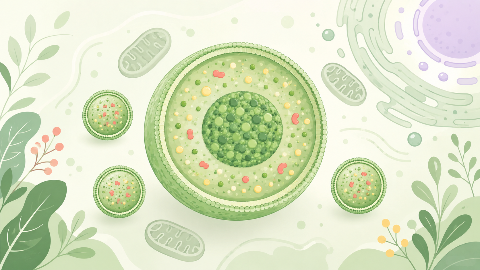
The peroxisomes
Discover peroxisomes, small cellular organelles that are key to the survival and adaptation of our cells! In this cell biology course, you'll explore their structure...
Molecular Biology
Discover how messenger RNA (mRNA) is translated into proteins in this molecular biology unit. We will examine the entire process in a clear and detailed manner, from initial synthesis to final mRNA termination. Also discover how mRNA factors facilitate the translation process by exploring ribosomes, peptide transfers, and coding sequence determination.

The process of protein synthesis in eukaryotic cells is complex and involves three main stages, namely transcription, translation, and post-translational modification. This document focuses on the second stage: translation, which is the synthesis of a protein from an RNA copy of a gene known as messenger RNA (mRNA).
In this course, we will explore the intricate process of mRNA translation in eukaryotic cells. We will delve into the details of how the genetic information encoded in DNA is transferred to mRNA molecules, and then translated into protein sequences through a process mediated by ribosomes and transfer RNAs (tRNAs).
Transcription is the first step in gene expression, during which the information from a DNA sequence is copied onto an RNA molecule known as messenger RNA (mRNA). The mRNA serves as a template for protein synthesis during translation. This process takes place in the nucleus of eukaryotic cells.
Translation is the second stage of gene expression, during which the genetic information encoded in an mRNA molecule is translated into a protein sequence. This process takes place in the cytoplasm of eukaryotic cells, mediated by ribosomes and transfer RNAs (tRNAs).
Translation can be regulated at multiple levels, including initiation, elongation, and termination, as well as mRNA stability and localization. These regulatory mechanisms allow cells to respond quickly to various environmental stimuli and maintain homeostasis.
Understanding the process of mRNA translation is crucial to our understanding of protein synthesis in eukaryotic cells. By exploring the key players and steps involved in this complex process, as well as the various regulatory mechanisms that modulate it, we gain valuable insights into cellular function and how cells respond to their environment.
Penses-tu tout connaître de ce cours ? Ne tombe pas dans les pièges, entraine-toi à l'aide des QCM ! eBiologie recense des centaines de questions pour t'aider à maîtriser ce sujet.
Discover peroxisomes, small cellular organelles that are key to the survival and adaptation of our cells! In this cell biology course, you'll explore their structure...
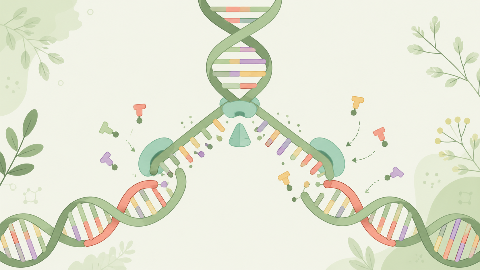
Discover how our DNA replicates with each cell division in this molecular biochemistry course: "DNA Replication." You'll learn the key steps in this crucial process...
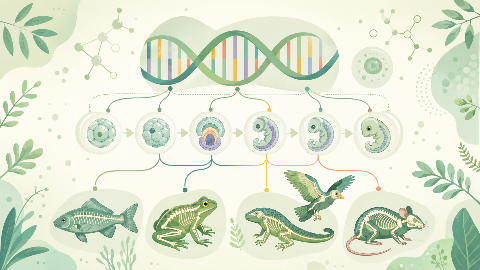
Learn about evolutionary developmental biology, the field that studies the mechanisms of embryonic development and their evolution at the molecular, cellular, and st...