Cellular Biology
The peroxisomes
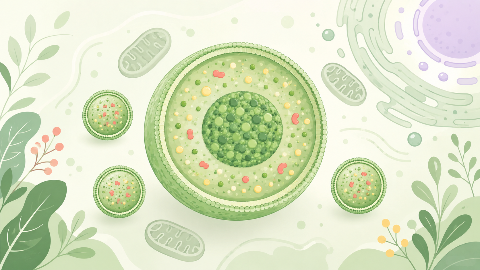
Discover peroxisomes, small cellular organelles that are key to the survival and adaptation of our cells! In this cell biology course, you'll explore their structure...
Osteology
Discover the fibula. In this osteology course, you'll explore its structure, function, and role in foot stability. Also, discover the unique features of this bone that differentiate it from its male counterparts.

The fibula, also known as the perone, is one of the two bones that constitute the lower leg in vertebrates. In humans, it is located on the lateral or outer side of the leg and plays a significant role in providing stability to the ankle joint, allowing for proper mobility and movement. This document provides a comprehensive overview of the fibula, including its anatomical features, origin, insertion, and its functions within the human body.
The fibula is a long, slender bone that extends from the knee joint to the ankle joint on the lateral aspect of the lower leg. Its proximal end articulates with the tibia at the syndesmosis, whereas its distal end forms the ankle joint along with the talus and tibia. The fibula can be divided into three parts: the proximal part, the middle part, and the distal part.
The fibula has two important articulations:
The fibula originates at three points:
The distal end of the fibula has two major insertions:
The main functions of the fibula are:
Injuries or disorders affecting the fibula can have significant impacts on an individual's mobility and overall health. Some common conditions associated with the fibula include:
The fibula plays a crucial role in the lower limb anatomy by providing stability, facilitating weight-bearing, and enabling mobility. Understanding its structure, origins, insertions, and functions can help healthcare professionals diagnose and treat various conditions affecting this bone, ultimately improving patient outcomes and overall health.
Penses-tu tout connaître de ce cours ? Ne tombe pas dans les pièges, entraine-toi à l'aide des QCM ! eBiologie recense des centaines de questions pour t'aider à maîtriser ce sujet.
Discover peroxisomes, small cellular organelles that are key to the survival and adaptation of our cells! In this cell biology course, you'll explore their structure...
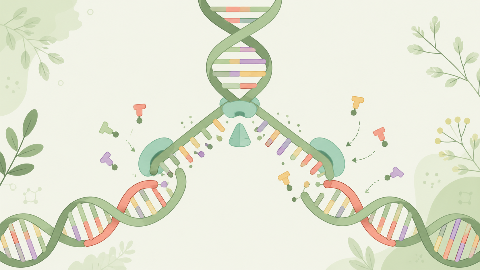
Discover how our DNA replicates with each cell division in this molecular biochemistry course: "DNA Replication." You'll learn the key steps in this crucial process...
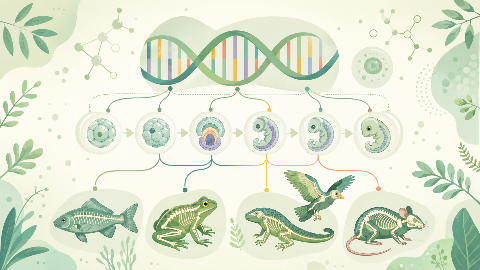
Learn about evolutionary developmental biology, the field that studies the mechanisms of embryonic development and their evolution at the molecular, cellular, and st...