Cellular Biology
The peroxisomes
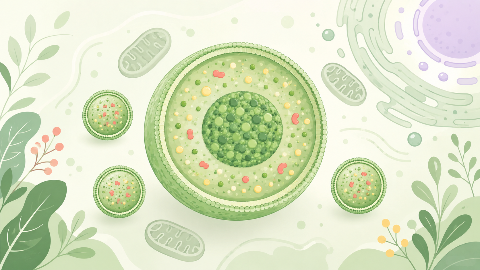
Discover peroxisomes, small cellular organelles that are key to the survival and adaptation of our cells! In this cell biology course, you'll explore their structure...
Anatomy
Join us as we explore the pharynx, an essential organ in our brainstem. This course will introduce you to its complex structures, its vital role in respiratory and digestive processes, and its crucial role in speech formation. You'll also learn to identify the differences between the human pharynx and those of other species.

The pharynx, a musculoskeletal organ present in all vertebrates, serves as a vital conduit for the ingress of food, air, and water. Its strategic position within the neck region enables it to perform various functions that are crucial for the survival of these animals. This comprehensive study offers an in-depth examination of the structure, functions, embryonic development, evolutionary aspects, clinical relevance, and more of this remarkable organ.
The pharynx is a tubular organ situated within the neck region of vertebrates, extending from the base of the skull to the level of the heart. It divides into three major regions: the nasopharynx, oropharynx, and laryngopharynx (or hypopharynx). Each of these segments plays a unique role in the overall functioning of the pharynx.
The anterior part of the pharynx, the nasopharynx, communicates with the nasal cavity via the choanae and serves as the passageway for air during breathing and the conduit for food when swallowing. It houses the pharyngeal (nasopharyngeal) tonsil, a lymphoid tissue that plays a role in immunity.
The middle portion of the pharynx, the oropharynx, opens anteriorly into the oral cavity and posteriorly into the esophagus. It is the site of the tongue's base and serves as both a conduit for food during swallowing and an essential organ for speech. The soft palate separates the nasal and oral cavities within the oropharynx, allowing for the regulation of airflow during breathing and swallowing.
The caudal part of the pharynx, the laryngopharynx, houses the larynx and opens anteriorly into the oral cavity and posteriorly into the esophagus. The laryngeal inlet (or glottis) is positioned at its rostral end, allowing for the regulation of airflow during breathing and vocalization.
The pharynx performs various vital functions, including:
The development of the pharynx begins as an outgrowth from the foregut during embryonic gastrulation. The formation of the pharynx is closely associated with the development of the head and neck regions, which are derived from the cranial part of the neural tube and surrounding mesoderm.
The presence of a pharynx can be traced back to the earliest known vertebrates, such as the conodonts and ostracoderms. The evolution of the pharynx has been shaped by the need for efficient food ingress, respiration, and protection against environmental threats.
Diseases and disorders affecting the pharynx can have significant impact on an individual's health and quality of life. Common clinical conditions related to the pharynx include:
The pharynx is a remarkable organ that plays an integral role in the survival of vertebrates by performing various functions, such as food ingress, air intake, and speech production. Understanding its structure, functions, embryonic development, evolutionary aspects, and clinical relevance offers valuable insights into the complexity and intricacies of vertebrate biology.
Penses-tu tout connaître de ce cours ? Ne tombe pas dans les pièges, entraine-toi à l'aide des QCM ! eBiologie recense des centaines de questions pour t'aider à maîtriser ce sujet.
Discover peroxisomes, small cellular organelles that are key to the survival and adaptation of our cells! In this cell biology course, you'll explore their structure...
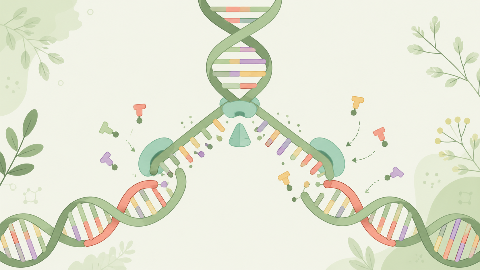
Discover how our DNA replicates with each cell division in this molecular biochemistry course: "DNA Replication." You'll learn the key steps in this crucial process...
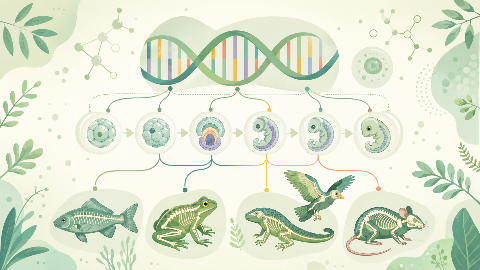
Learn about evolutionary developmental biology, the field that studies the mechanisms of embryonic development and their evolution at the molecular, cellular, and st...