
Cellular Biology
The peroxisomes
Discover peroxisomes, small cellular organelles that are key to the survival and adaptation of our cells! In this cell biology course, you'll explore their structure...
Molecular Biology
Discover protein localization: study their transport mechanisms and their crucial role in the cell! Follow this scientific adventure in molecular biology to understand how proteins find their way to their destination and what this means for our cells.

Protein localization refers to the process by which proteins are transported, distributed, and targeted to their specific locations within a cell or organism. Understanding protein localization is crucial for understanding protein function and overall biological processes. In this course, we will delve into the mechanisms and factors influencing protein localization at various scales, from the molecular level to the cellular and organismal levels.
Protein localization plays a critical role in determining the function of proteins within a cell or organism. Mislocalization of proteins can lead to various diseases such as cystic fibrosis, Parkinson's disease, and Huntington's disease. Therefore, understanding protein localization mechanisms is essential for developing therapeutic strategies targeting these diseases.
Proteins destined for specific locations within a cell or organelle possess signal sequences that act as signals for protein transport. These sequences can be cleaved off during transport, leaving behind a mature protein functional in its new location.
Chaperone proteins assist in the proper folding of proteins to ensure they assume their native conformation before being targeted to their final destination. Misfolded or aggregated proteins can disrupt cellular functions, leading to diseases such as Alzheimer's disease and prion diseases.
Proteins destined for the nucleus are transported through nuclear pore complexes (NPCs). The selectivity of NPCs allows for the controlled entry and exit of proteins into and from the nucleus.
The ER plays a crucial role in protein folding, modification, and sorting. Proteins are synthesized on ribosomes attached to the ER membrane and then either transported to other organelles or remain in the ER.
The Golgi apparatus modifies proteins through glycosylation, sulfation, and phosphorylation before transporting them to their final destinations. Proteins are sorted into transport vesicles based on specific targeting signals.
Plant cell walls provide structural support and act as a barrier to protect the cell from environmental stresses. Proteins secreted into the cell wall play essential roles in cell growth, defense, and signaling.
The ECM is a complex network of proteins that surrounds cells in multicellular organisms. The ECM plays critical roles in cell adhesion, migration, and signaling during development and disease processes such as cancer metastasis.
Understanding protein localization mechanisms is essential for understanding protein function and overall biological processes. By exploring the mechanisms at the molecular, cellular, and organismal levels, we can gain insights into the intricate network of protein trafficking within cells and organisms. This knowledge can lead to novel therapeutic strategies for treating various diseases caused by protein mislocalization.
Penses-tu tout connaître de ce cours ? Ne tombe pas dans les pièges, entraine-toi à l'aide des QCM ! eBiologie recense des centaines de questions pour t'aider à maîtriser ce sujet.
Discover peroxisomes, small cellular organelles that are key to the survival and adaptation of our cells! In this cell biology course, you'll explore their structure...
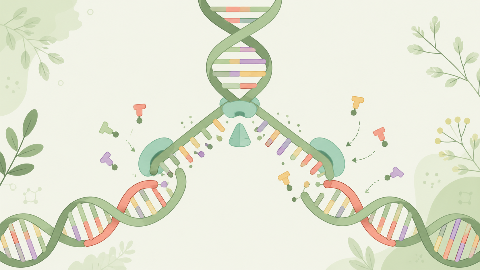
Discover how our DNA replicates with each cell division in this molecular biochemistry course: "DNA Replication." You'll learn the key steps in this crucial process...
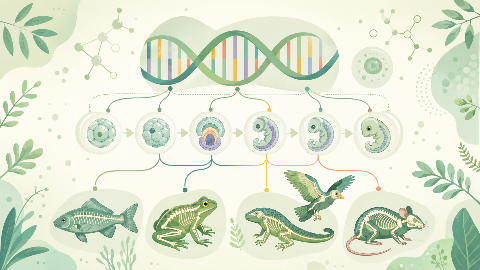
Learn about evolutionary developmental biology, the field that studies the mechanisms of embryonic development and their evolution at the molecular, cellular, and st...