Cellular Biology
The peroxisomes
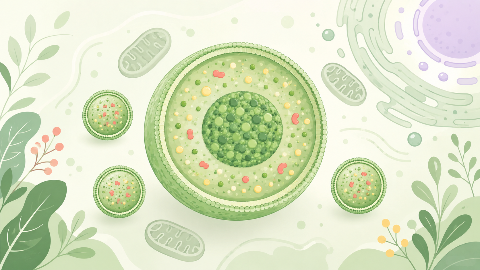
Discover peroxisomes, small cellular organelles that are key to the survival and adaptation of our cells! In this cell biology course, you'll explore their structure...
Metabolic biochemistry
Discover the secrets of carbohydrate biochemistry! This course takes you on a journey of discovery through the metabolic mechanisms that control carbohydrate synthesis and catabolism.

Carbohydrates, also known as saccharides, are a fundamental class of organic compounds that play essential roles in various biological processes. This comprehensive course aims to provide an in-depth understanding of the biochemistry of carbohydrates and their significance in metabolic pathways.
Monosaccharides, or simple sugars, are the fundamental units of carbohydrate polymers. They can be classified based on the number of carbon atoms (degrees of polymerization) and the arrangement of these atoms. The primary types are:
Alphad-pyranoses and alphad-furanoses are cyclic monosaccharides with six carbon atoms, with pyranose and furanose ring structures, respectively. They are further classified as either aldohexoses or ketoses based on the presence of an aldehyde (aldo) or a ketone (ketose) group at the carbonyl carbon atom.
Aldopentoses are cyclic monosaccharides with five carbon atoms and an aldehyde group at the carbonyl carbon. Examples include ribose and deoxyribose, which are important components of RNA and DNA, respectively. Ketopentoses contain a ketone group instead of an aldehyde group.
Monosaccharides serve various roles in biological systems, including:
Disaccharides consist of two monosaccharides linked by a glycosidic bond. Examples include sucrose (glucose + fructose), lactose (glucose + galactose), and maltose (two glucose molecules). Oligosaccharides are longer chains of 3-10 monosaccharide units.
Polysaccharides are long, unbranched chains or highly branched structures composed of repeating monosaccharide units. The arrangement and linkage between the monomers determine their physical properties and functions.
Starch and glycogen are two primary forms of polysaccharides that function as energy storage molecules. Both consist of linear chains of glucose units linked by α-1,4 glycosidic bonds, with occasional α-1,6 branch points in glycogen. Starch is found in plant cells, while glycogen is the main storage polysaccharide in animal tissues and microorganisms.
Cellulose is a linear polymer of glucose units linked by β-1,4 glycosidic bonds. It is a crucial component of plant cell walls, providing mechanical support and structural integrity. Due to the different arrangement of its backbone compared to starch and glycogen, most organisms cannot digest cellulose efficiently. However, some bacteria and fungi have enzymes capable of breaking down cellulose for energy purposes.
Hemicelluloses are heterogeneous polysaccharides composed mainly of xylose, mannose, galactose, and arabinose residues. They can be found in the middle lamellae, primary cell walls, and secondary walls of plants, where they contribute to structural support, adhesion between cells, and water retention.
Glycosylation refers to the attachment of monosaccharides or oligosaccharides to other molecules, such as proteins, lipids, and nucleic acids. These reactions are essential for various biological functions, including cell recognition, adhesion, and signaling. The formation of glycosidic bonds between carbohydrates and other molecules occurs through specific enzyme-catalyzed reactions.
This course has provided an overview of the biochemistry of carbohydrates, their structural diversity, and various biological roles. The importance of carbohydrate metabolism in energy storage, structural support, signaling, and biosynthesis has been discussed. A deeper understanding of these concepts will enable you to appreciate the intricate interplay between carbohydrates and other molecules in maintaining cellular homeostasis and driving metabolic processes.
Penses-tu tout connaître de ce cours ? Ne tombe pas dans les pièges, entraine-toi à l'aide des QCM ! eBiologie recense des centaines de questions pour t'aider à maîtriser ce sujet.
Discover peroxisomes, small cellular organelles that are key to the survival and adaptation of our cells! In this cell biology course, you'll explore their structure...
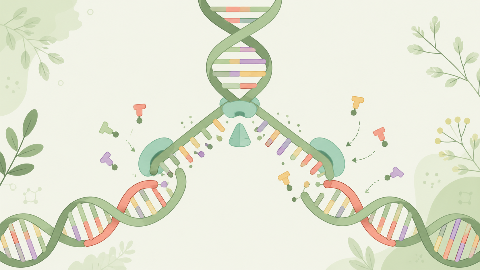
Discover how our DNA replicates with each cell division in this molecular biochemistry course: "DNA Replication." You'll learn the key steps in this crucial process...
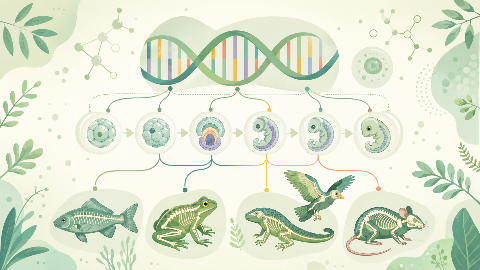
Learn about evolutionary developmental biology, the field that studies the mechanisms of embryonic development and their evolution at the molecular, cellular, and st...