Cellular Biology
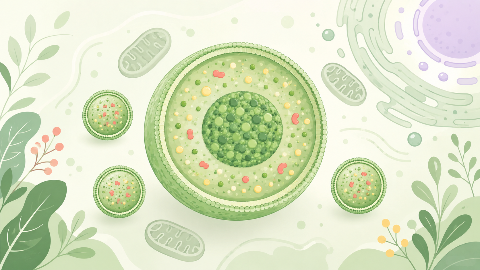
The peroxisomes
Discover peroxisomes, small cellular organelles that are key to the survival and adaptation of our cells! In this cell biology course, you'll explore their structure...
Evolutionary biology.
Discover how species have evolved over time on our planet. This course explores the basics of population evolution and the process of biological adaptation in the face of natural selection.

The study of evolution, or the science of how species change over time, is a fundamental cornerstone of biology. This course aims to provide students with a comprehensive understanding of the principles that underlie this fascinating and dynamic process. We will delve into various topics, ranging from the historical foundations of evolutionary thought to contemporary debates, theories, and applications. By the end of this course, learners should be equipped with a robust knowledge base that facilitates further exploration in the field of evolutionary biology.
The roots of evolutionary thinking can be traced back to ancient Greece, where philosophers such as Aristotle and Empedocles proposed ideas about the origins and diversity of life on Earth. However, it was not until the 16th and 17th centuries that more systematic studies began to emerge, with figures like John Ray and Carolus Linnaeus establishing the foundations for taxonomy and systematics.
The modern concept of evolution as a gradual process driven by natural selection was first proposed by Charles Darwin in his groundbreaking book, "On the Origin of Species." In this work, Darwin presented evidence from various fields, including geology, paleontology, and comparative anatomy, to support his theory.
Natural selection is a key mechanism driving evolution, whereby individuals with traits that enhance their survival and reproduction have a higher probability of passing these traits on to subsequent generations. This process can lead to the gradual adaptation of populations to their environment over time.
Genetic drift is a random process that can cause changes in the frequency of alleles (versions of a gene) within a population. It becomes more significant in small populations and can lead to the fixation of advantageous or disadvantageous traits due to chance alone.
Adaptive radiations refer to the rapid diversification of species within a particular lineage in response to new ecological opportunities or environmental pressures. This process often results in the development of specialized adaptations that allow each member of the radiation to exploit different niches.
Speciation is the process by which new species arise from a common ancestor. It can occur through various mechanisms, including allopatric speciation (geographic isolation), sympatric speciation (speciation within the same geographical range), and hybrid speciation (formation of new species through interbreeding between closely related taxa).
Phylogenetics is the study of evolutionary relationships among organisms, while systematics focuses on the classification of living things based on their shared characteristics. Molecular data, such as DNA sequences, have revolutionized our understanding of the tree of life, providing insights into patterns of evolution and the distribution of biodiversity across the planet.
The principles of evolution are essential for understanding the diversity and dynamics of life on Earth. By studying the historical foundations, mechanisms, adaptive responses, and contemporary issues in evolutionary biology, we gain valuable insights into our own origins and the processes that continue to shape the living world around us. As students delve deeper into this fascinating field, they will undoubtedly uncover new questions and contribute to our ever-expanding knowledge of the natural world.
Penses-tu tout connaître de ce cours ? Ne tombe pas dans les pièges, entraine-toi à l'aide des QCM ! eBiologie recense des centaines de questions pour t'aider à maîtriser ce sujet.
Discover peroxisomes, small cellular organelles that are key to the survival and adaptation of our cells! In this cell biology course, you'll explore their structure...
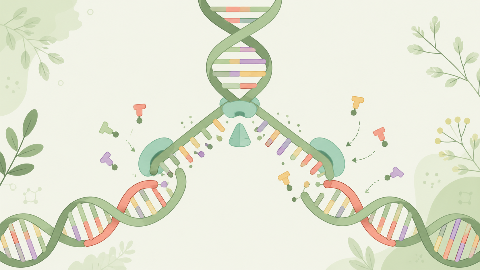
Discover how our DNA replicates with each cell division in this molecular biochemistry course: "DNA Replication." You'll learn the key steps in this crucial process...
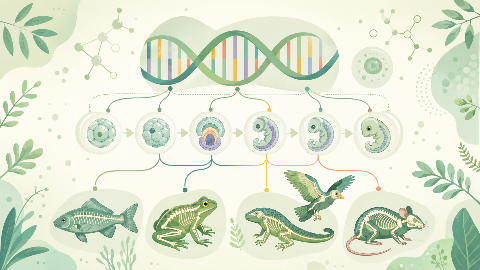
Learn about evolutionary developmental biology, the field that studies the mechanisms of embryonic development and their evolution at the molecular, cellular, and st...