Cellular Biology
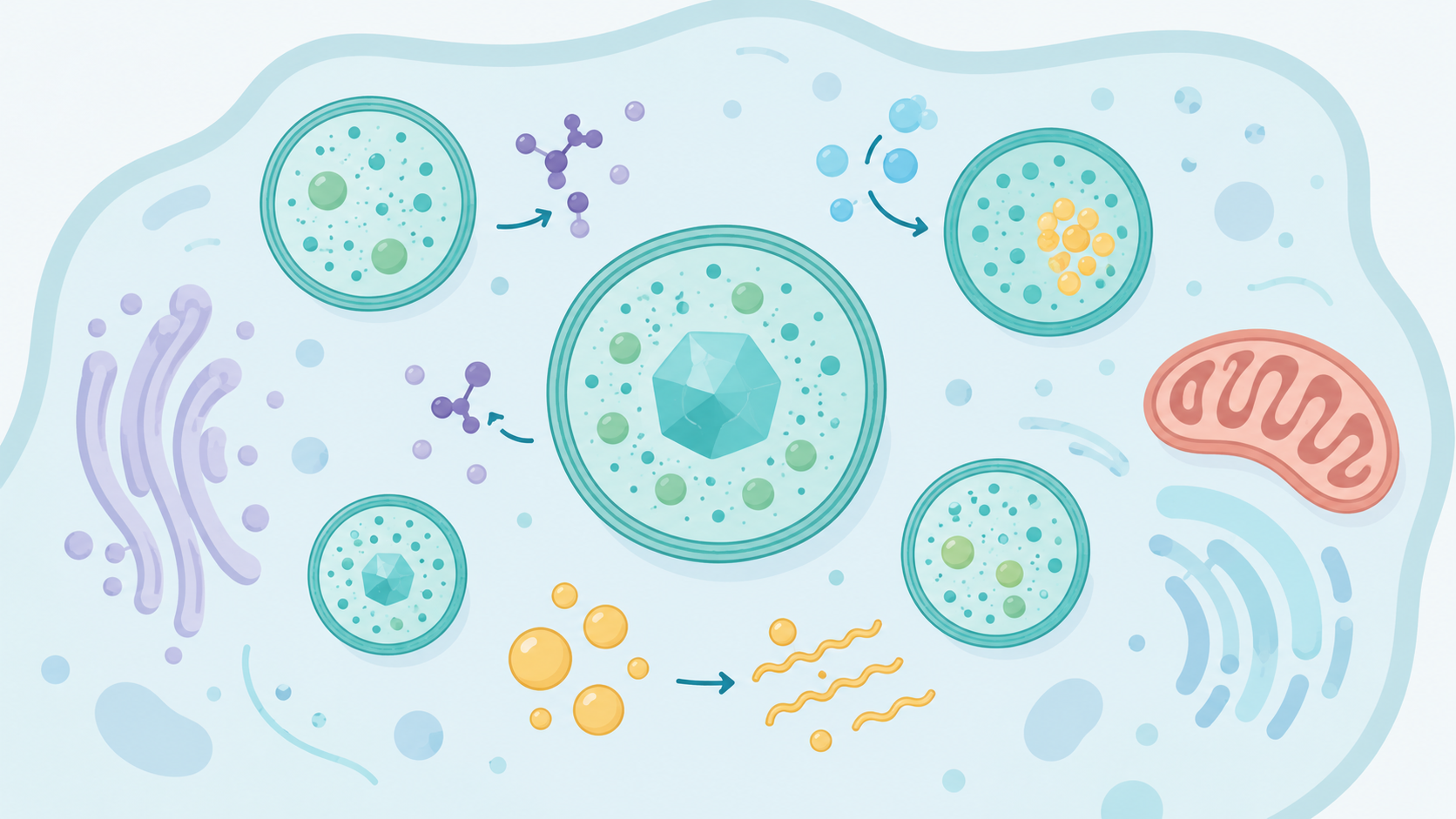
The peroxisomes
Discover peroxisomes, small cellular organelles that are key to the survival and adaptation of our cells! In this cell biology course, you'll explore their structure...
Cellular Biology
The Golgi Apparatus: A Journey to the Heart of Eukaryotic Cells! This course will introduce you to the multifaceted functions of this central intracellular membrane complex in the synthesis, maturation, and transport of oligosaccharides, glycoproteins, lipids, and vacuoles. Discover how the Golgi apparatus contributes to cellularity and the regulation of processes such as cell proliferation, apoptosis, and cell differentiation.

The Golgi apparatus, named after the Italian scientist Camillo Golgi who first described it in 1898, is a crucial organelle within eukaryotic cells that plays an essential role in intracellular trafficking and protein modification. This comprehensive course will delve into the structure, function, and significance of the Golgi apparatus within the broader context of cellular biology.
The discovery of the Golgi apparatus marked a pivotal moment in the history of cell biology. Camillo Golgi's innovative staining technique, called the Golgi stain or Black Reaction, enabled him to visualize this organelle and distinguish it from other cellular structures. The technique involved impregnation of tissue sections with silver nitrate, which selectively stained nerve cells in a granular pattern that corresponded to the Golgi apparatus.
The Golgi apparatus is characterized by its unique stack-like structure, consisting of flattened, membrane-bound sacs or cisternae arranged in tandem. Each cisterna is approximately 200 nm wide, and the entire stack measures around 1 μm in height. The Golgi apparatus can be found in the cytoplasm near the nucleus, with its orientation varying depending on the cell type.
The Golgi apparatus is divided into three functional domains: the cis face, medial/transitional region, and the trans face. Each domain plays a specific role in protein trafficking and modification.
Cis face
Medial/Transitional Region
Trans face
The Golgi apparatus is integral to numerous cellular processes, including protein secretion, cell-cell recognition, and cell adhesion. Its role in these processes can be summarized as follows:
Secretory pathway
Protein sorting
Cell-cell recognition and adhesion
The Golgi apparatus represents a vital organelle in eukaryotic cells, responsible for protein trafficking, modification, and sorting. Its discovery has greatly advanced our understanding of cellular biology and remains an area of active research. Further elucidation of the mechanisms governing Golgi function may provide insights into disease pathways and potential therapeutic targets.
¿Crees que sabes todo sobre este curso? No caiga en trampas, practique el uso de preguntas frecuentes. eBiologie enumera cientos de preguntas para ayudarle a dominar este tema.


Discover peroxisomes, small cellular organelles that are key to the survival and adaptation of our cells! In this cell biology course, you'll explore their structure...
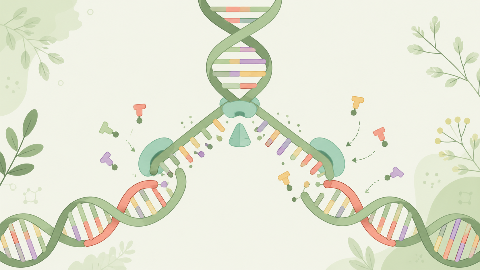
Discover how our DNA replicates with each cell division in this molecular biochemistry course: "DNA Replication." You'll learn the key steps in this crucial process...
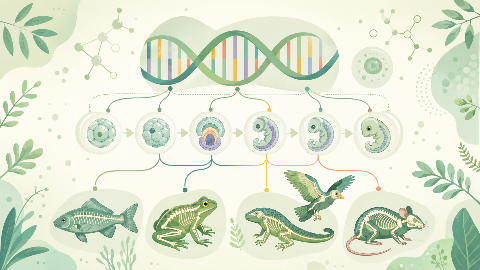
Learn about evolutionary developmental biology, the field that studies the mechanisms of embryonic development and their evolution at the molecular, cellular, and st...