Cellular Biology
The peroxisomes
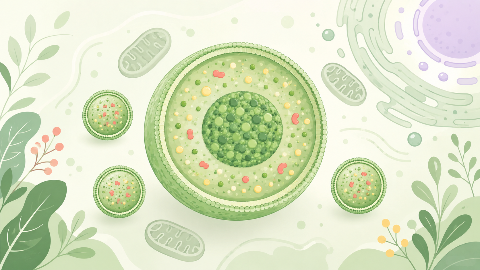
Discover peroxisomes, small cellular organelles that are key to the survival and adaptation of our cells! In this cell biology course, you'll explore their structure...
Embryology or developmental biology.
Discover how living organisms propagate asexually in this embryology or developmental biology course. By learning to identify different modes of asexuality, you'll explore reproduction by cell division, fission, ball zoospore reproduction, and vegetative and bud reproduction.

Asexual reproduction, also known as apomixis, is a type of reproduction in which offspring are produced from a single parent without the fusion of gametes (sperm and egg cells). This process does not involve sexual recombination of genetic material. Instead, it relies on various mechanisms such as parthenogenesis, budding, fragmentation, or binary fission to produce new individuals.
This course aims to provide an in-depth understanding of asexual reproduction, its importance in the life cycle of different organisms, and its implications for evolutionary biology.
¿Crees que sabes todo sobre este curso? No caiga en trampas, practique el uso de preguntas frecuentes. eBiologie enumera cientos de preguntas para ayudarle a dominar este tema.
Discover peroxisomes, small cellular organelles that are key to the survival and adaptation of our cells! In this cell biology course, you'll explore their structure...
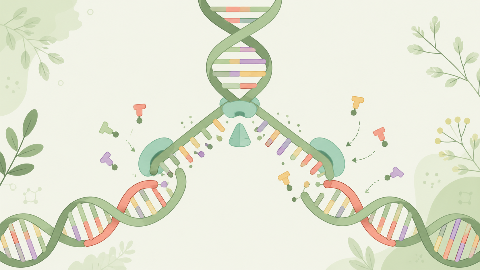
Discover how our DNA replicates with each cell division in this molecular biochemistry course: "DNA Replication." You'll learn the key steps in this crucial process...
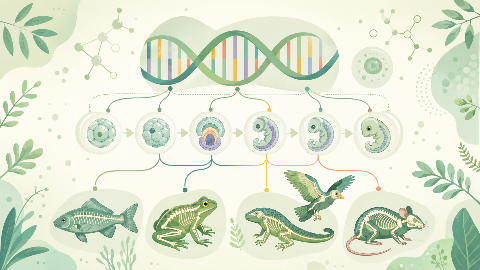
Learn about evolutionary developmental biology, the field that studies the mechanisms of embryonic development and their evolution at the molecular, cellular, and st...