Cellular Biology
The peroxisomes
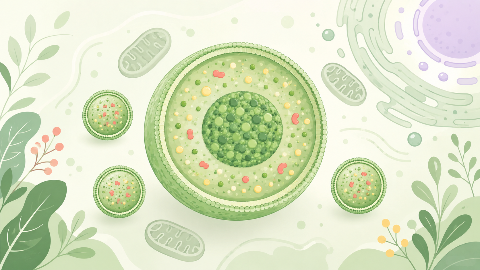
Discover peroxisomes, small cellular organelles that are key to the survival and adaptation of our cells! In this cell biology course, you'll explore their structure...
Plant physiology
By learning to identify and control these key elements, you will become proficient in understanding plant growth phenomena. You will examine the plant hormones that regulate plant size and development, as well as cell growth processes. You will also explore genotyping, the environment, and interactions between plants and their growth.

The growth and development of plants are complex processes driven by several internal and external factors. This course provides an in-depth exploration of these crucial aspects, shedding light on the intricate interplay between various factors that govern plant growth and development.
Genes play a pivotal role in determining the growth patterns of plants. The genetic makeup of a plant dictates its potential for growth, development, and response to environmental stimuli. For instance, the expression of certain genes can trigger germination, while others may regulate cell division and differentiation during organ development.
Plants produce and respond to various hormones that govern their growth and development. These include auxins, gibberellins, cytokinins, abscisic acid, ethylene, and brassinosteroids. Each of these hormones plays a unique role in plant growth and development, from promoting cell elongation to regulating flowering and fruit set.
The metabolism of plants is another crucial internal factor influencing their growth and development. Nutrient absorption, energy production, and carbon fixation are key metabolic processes that directly impact plant growth. For example, photosynthesis is essential for providing the energy required for growth, while nutrients such as nitrogen, phosphorus, and potassium are vital for various physiological functions.
Light is a primary external factor influencing plant growth and development. It affects plant morphology, photosynthesis, and the synthesis of various hormones. For example, red and blue light can stimulate stem elongation, while far-red light can inhibit it. Additionally, different intensities and wavelengths of light can regulate germination and flowering in plants.
Temperature is another critical external factor affecting plant growth and development. Optimal temperatures for plant growth vary depending on the species. Generally, higher temperatures promote faster growth rates but may also increase the risk of heat stress. Conversely, lower temperatures can slow growth but may provide protection against frost damage in some cases.
Water is essential for all aspects of plant growth and development. It is involved in photosynthesis, nutrient uptake, and turgor pressure maintenance. Adequate water availability is crucial for normal plant growth, while water stress can lead to stunted growth, leaf wilting, and even death.
Nutrients are indispensable for plant growth and development. They serve as building blocks for plant cells and are involved in various physiological processes. Macronutrients such as nitrogen, phosphorus, potassium, calcium, magnesium, and sulfur are required in large amounts, while micronutrients like iron, manganese, zinc, copper, boron, molybdenum, and chlorine are needed in trace amounts. Lack of essential nutrients can lead to growth deficiencies or even plant death.
Understanding the factors influencing plant growth and development is fundamental for cultivating healthy and productive crops. This course has provided a comprehensive overview of the internal and external factors that govern these processes, encompassing genetic, hormonal, metabolic, environmental, and nutritional aspects. By mastering this knowledge, students can contribute to sustainable agriculture practices, ensuring food security and ecosystem conservation for future generations.
¿Crees que sabes todo sobre este curso? No caiga en trampas, practique el uso de preguntas frecuentes. eBiologie enumera cientos de preguntas para ayudarle a dominar este tema.


Discover peroxisomes, small cellular organelles that are key to the survival and adaptation of our cells! In this cell biology course, you'll explore their structure...
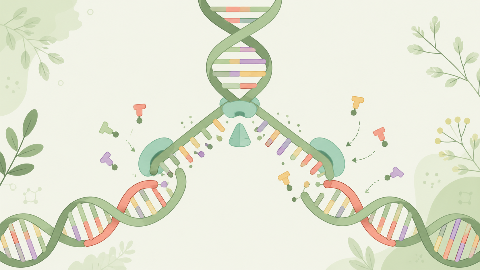
Discover how our DNA replicates with each cell division in this molecular biochemistry course: "DNA Replication." You'll learn the key steps in this crucial process...
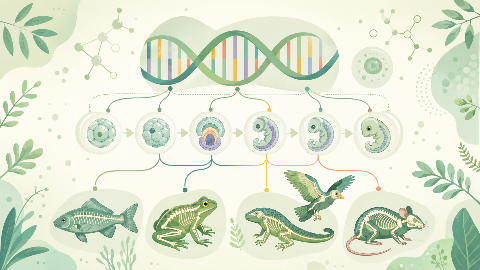
Learn about evolutionary developmental biology, the field that studies the mechanisms of embryonic development and their evolution at the molecular, cellular, and st...