
Cellular Biology
The peroxisomes
Discover peroxisomes, small cellular organelles that are key to the survival and adaptation of our cells! In this cell biology course, you'll explore their structure...
Myology
Discover the muscles of the forearm! In this myology course, we'll take an in-depth look at the anatomy, physiology, and function of the flexor and extensor muscles of your forearm. You'll learn to identify each muscle, understand its role in everyday movements, and explore its innervation. To better retain this information, we'll regularly revisit comparative studies with other muscles of the forearm and arm.
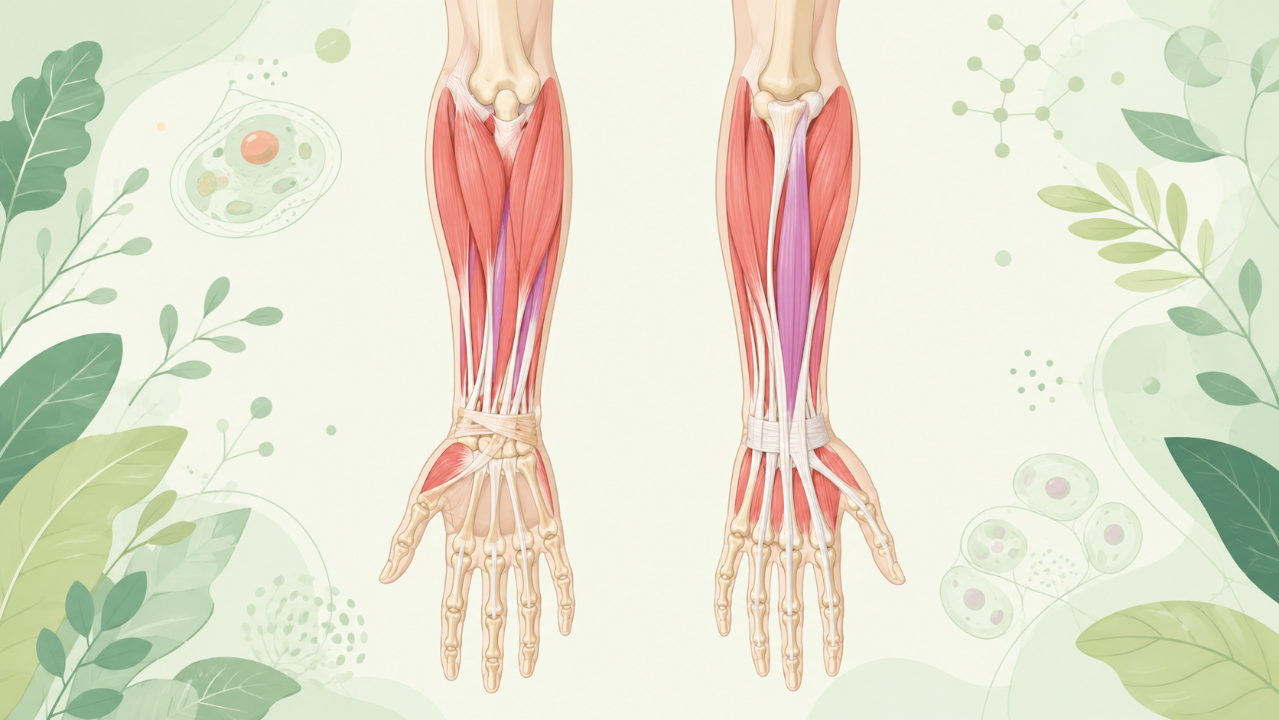
This comprehensive course is designed to provide in-depth knowledge about the muscles of the forearm, a topic under the category of Myology. The forearm muscles play crucial roles in grasping, gripping, and manipulating objects, and understanding their functions, anatomy, and physiology can offer valuable insights into human movement and motor control.
The forearm consists of two segments: the anterior (or volar) compartment and the posterior (or dorsal) compartment. Each compartment houses distinct muscle groups responsible for different functions. This course will explore each group in detail, discussing their origin, insertion, actions, innervation, blood supply, and functional relationships.
The muscles of the forearm are not isolated entities but work synergistically to achieve various movements. For example, during a grip, multiple muscle groups coordinate their actions to control flexion, extension, abduction, adduction, and supination/pronation of the wrist and fingers. This coordination is crucial for fine motor skills and dexterity.
Understanding the muscles of the forearm can help healthcare professionals diagnose and treat various injuries, disorders, or diseases affecting these muscles, such as tendinitis, tenosynovitis, and nerve compression syndromes like carpal tunnel syndrome. Furthermore, this knowledge can contribute to rehabilitation programs aimed at restoring function and reducing pain in affected individuals.
This course has provided a comprehensive overview of the muscles of the forearm, their origins, insertions, actions, innervations, and functional relationships. Familiarity with these concepts can offer valuable insights into human movement and motor control. As you continue your journey in biology, we encourage you to explore further the fascinating world of musculoskeletal anatomy and function.
Do you think you know everything about this course? Don't fall into the traps, train with quizzes! eBiologie has hundreds of questions to help you master this subject.
Discover peroxisomes, small cellular organelles that are key to the survival and adaptation of our cells! In this cell biology course, you'll explore their structure...
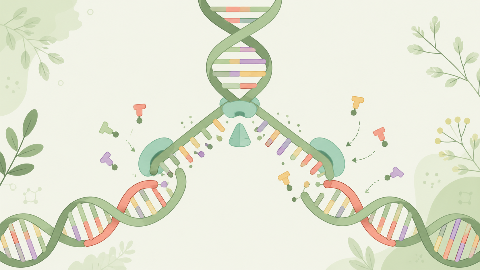
Discover how our DNA replicates with each cell division in this molecular biochemistry course: "DNA Replication." You'll learn the key steps in this crucial process...
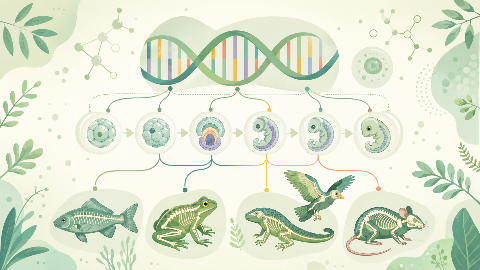
Learn about evolutionary developmental biology, the field that studies the mechanisms of embryonic development and their evolution at the molecular, cellular, and st...