Cellular Biology
The peroxisomes
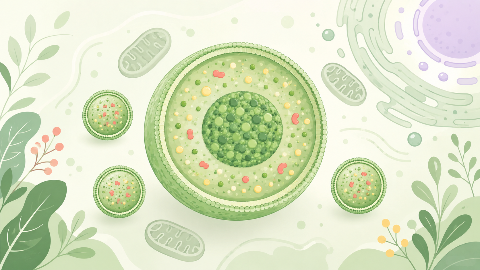
Discover peroxisomes, small cellular organelles that are key to the survival and adaptation of our cells! In this cell biology course, you'll explore their structure...
Animal physiology
Discover the digestive system: origin, structure, and evolution. This course broadly explores the organization of digestive tissues, their role in nutrition, and their evolutionary history. You will learn how animals adapt their digestive systems to extract the nutrients necessary for their survival, as well as the variations observed throughout the evolutionary history of different taxa.

The digestive system is an essential organ system in animals, responsible for the ingestion, breakdown, absorption, and elimination of food substances. This course aims to provide a comprehensive understanding of the origin, structure, and evolution of this vital system. We will explore its importance, basic functions, key components, and the intricate mechanisms involved in digestion across various taxa, highlighting the diversity, complexity, and adaptability that define animal physiology.
The origins of the digestive system can be traced back to the earliest life forms on Earth. The first organisms were simple, single-celled creatures that absorbed nutrients directly from their surroundings. As life evolved and became more complex, animals emerged with specialized organs dedicated to ingesting, processing, and utilizing food.
The digestive system is thought to have evolved from the phagocytic ability of cells. Phagocytes are immune cells that engulf foreign particles such as bacteria or dead cells. Over time, these cells developed into specialized structures like the mouth, esophagus, stomach, intestines, and anus, forming a complete digestive tract in animals.
The basic structure of the digestive system consists of a continuous tube-like organ known as the gastrointestinal (GI) tract. This tract extends from the mouth to the anus and can be further divided into several parts:
The structure and function of the digestive system have evolved significantly throughout history. Animals have developed various strategies to adapt to their specific ecological niches, dietary habits, and body sizes. For example:
In conclusion, the digestive system is a remarkable organ system that has undergone significant evolution throughout the history of life on Earth. Understanding its structure, function, and adaptations provides valuable insights into animal physiology and the diversity of life on our planet.
Do you think you know everything about this course? Don't fall into the traps, train with quizzes! eBiologie has hundreds of questions to help you master this subject.
Discover peroxisomes, small cellular organelles that are key to the survival and adaptation of our cells! In this cell biology course, you'll explore their structure...
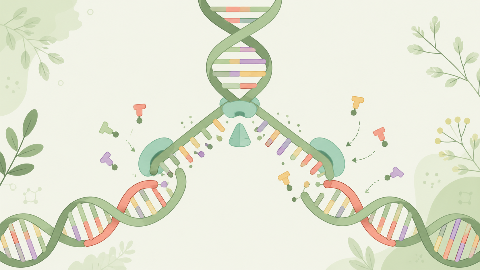
Discover how our DNA replicates with each cell division in this molecular biochemistry course: "DNA Replication." You'll learn the key steps in this crucial process...
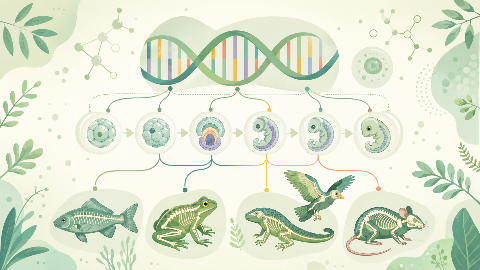
Learn about evolutionary developmental biology, the field that studies the mechanisms of embryonic development and their evolution at the molecular, cellular, and st...