Biologie cellulaire
Les péroxysomes
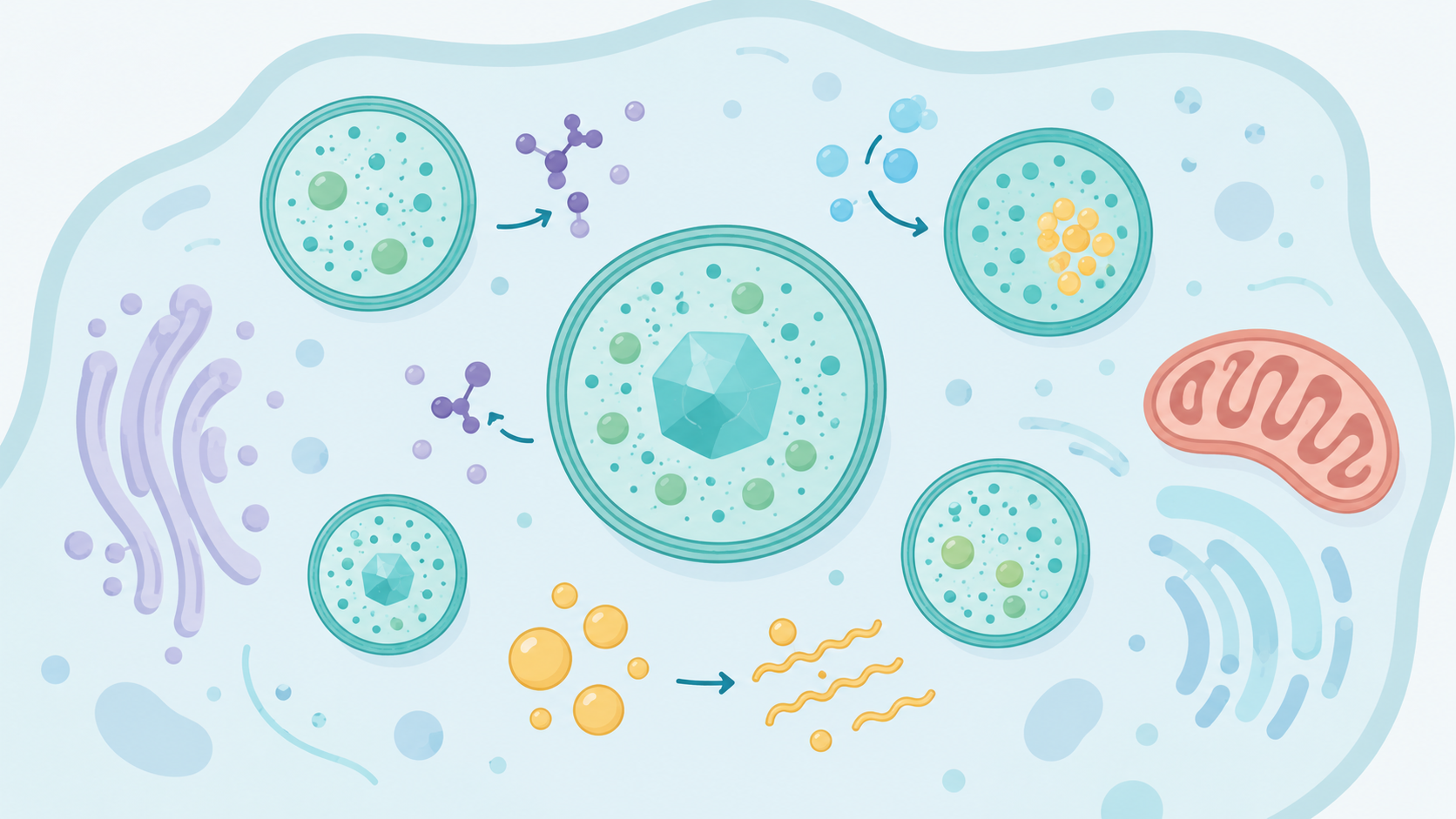
Découvrez les peroxysomes, des petits organelles cellulaires clés pour la survie et l'adaptation de nos cellules ! À travers ce cours de biologie cellulaire, vous ex...
Myology
Discover the secrets of leg muscles in this exciting myology course! By learning to identify the different muscles and underlying tissues, you'll understand their structural function and dynamic interactions. Practical applications of this knowledge will also be explored in relation to physiotherapy and sports.
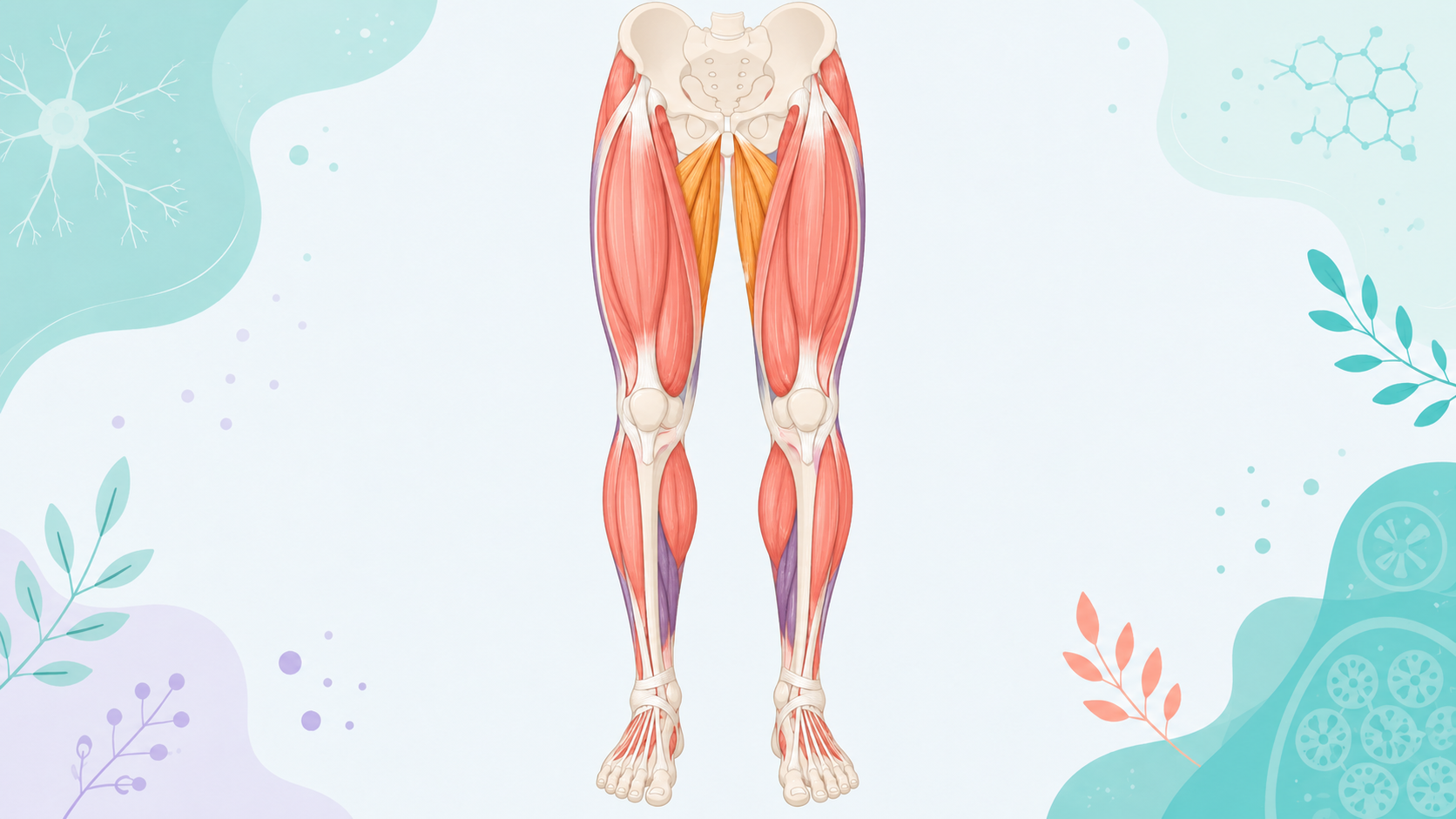
The leg muscles are a group of muscle tissues responsible for mobility, support, and posture of the lower limbs. Leg muscles are composed of a mixture of muscle fibers that can be classified into two types: Type I (slow-twitch) and Type II (fast-twitch). Leg muscles are also divided into three main functional groups: the anterior compartment muscles, the posterior compartment muscles, and the medial compartment muscles.
The muscles of the anterior compartment of the leg are located anterior to the semimembranaceus muscle. This compartment is divided into three muscle groups: the anterior tibial group, the peroneal group, and the foot muscles.
The muscles of the anterior tibial group are located in the front of the leg. This group includes the following muscles:
The muscles of the peroneal group are located on the lateral side of the leg. This group includes the following muscles:
The muscles of the foot are located at the end of the leg. This group includes the following muscles:
The muscles of the posterior compartment of the leg are located behind the semimembranaceus muscle. This compartment is divided into two muscle groups: the biceps femoris group and the muscles of the posterior compartment.
The biceps femoris group includes the biceps femoris muscle, which is located above the upper portion of the posterior compartment. The biceps femoris muscle allows for knee extension and flexion of the toes.
The muscles of the posterior compartment are located below the biceps femoris group. This group includes the following muscles:
The muscles of the medial compartment are located in the middle of the leg. This group includes the following muscles:
The leg muscles have several important functions, which can be summarized into three main categories: mobility, support, and posture.
Leg mobility is provided by the tibialis anterior, peroneal, and medial popliteus muscles. These muscles allow flexion, extension, and rotation of the foot and fingers, allowing us to walk, run, and jump.
Support is provided by the solaris and gastrocnemius muscles, which form the Achilles tendon. These muscles keep the sole of the foot in contact with the ground during physical activities, such as walking or running.
Posture maintenance is provided by the muscles of the medial and anterior compartment, which help maintain a straight and stable leg position during physical activity.
The leg muscles are a complex set of muscle tissues responsible for mobility, support, and posture maintenance of the lower limbs. The muscles can be classified into three main functional groups: anterior compartment muscles, posterior compartment muscles, and medial compartment muscles. Mobility is provided by the tibialis anterior, peroneal, and medial poplitus muscles; support is provided by the solaris and gastrocnemius muscles; and posture maintenance is provided by the medial and anterior compartment muscles. Understanding how the leg muscles function can help improve physical health and prevent certain injuries during physical activities.
Do you think you know everything about this course? Don't fall into the traps, train with quizzes! eBiologie has hundreds of questions to help you master this subject.
Découvrez les peroxysomes, des petits organelles cellulaires clés pour la survie et l'adaptation de nos cellules ! À travers ce cours de biologie cellulaire, vous ex...
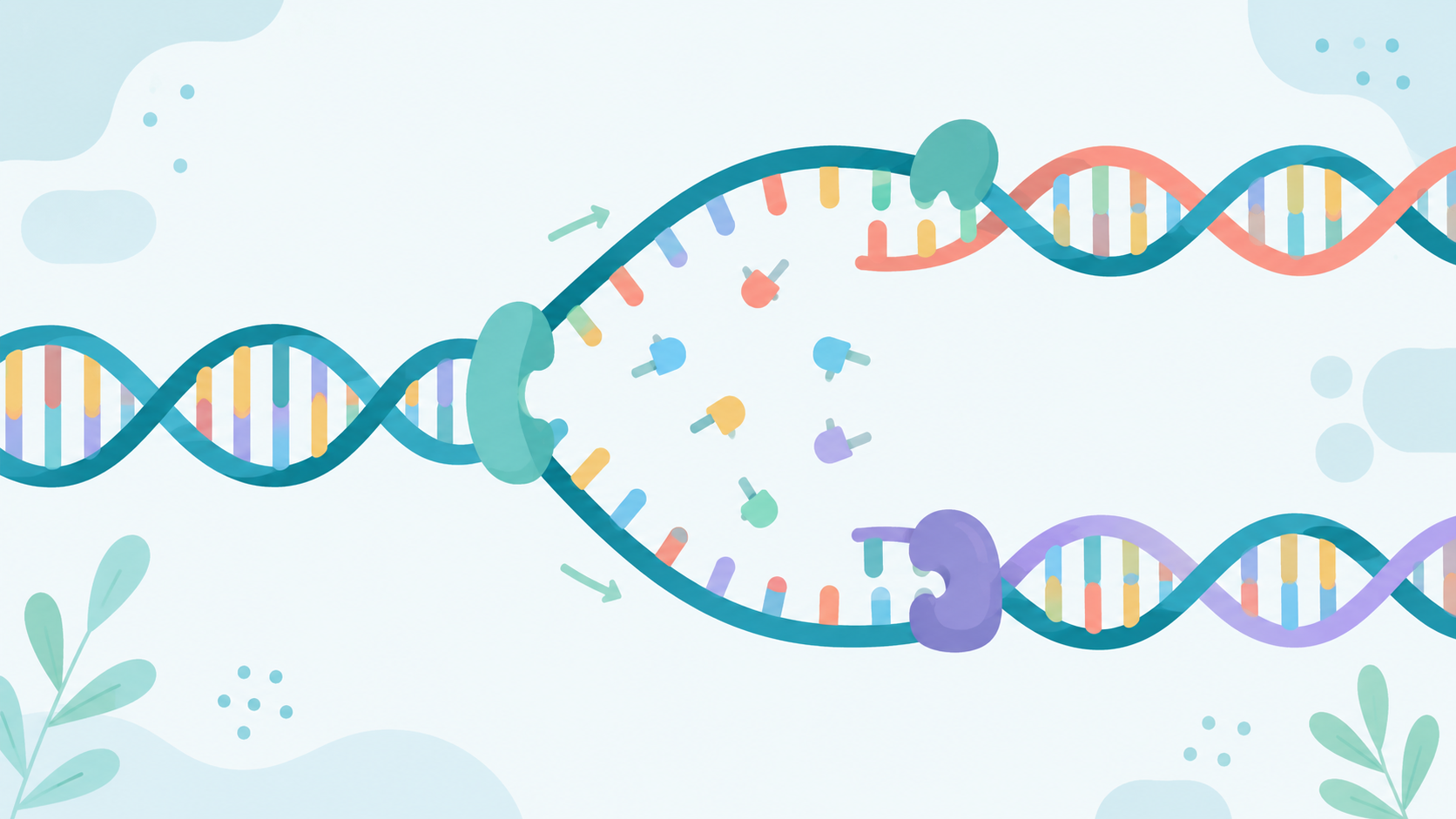
Découvrez comment notre ADN se reproduit à chaque cellule division dans ce cours de biochimie moléculaire : « Réplication du DN ». Vous apprendrez les étapes clés de...
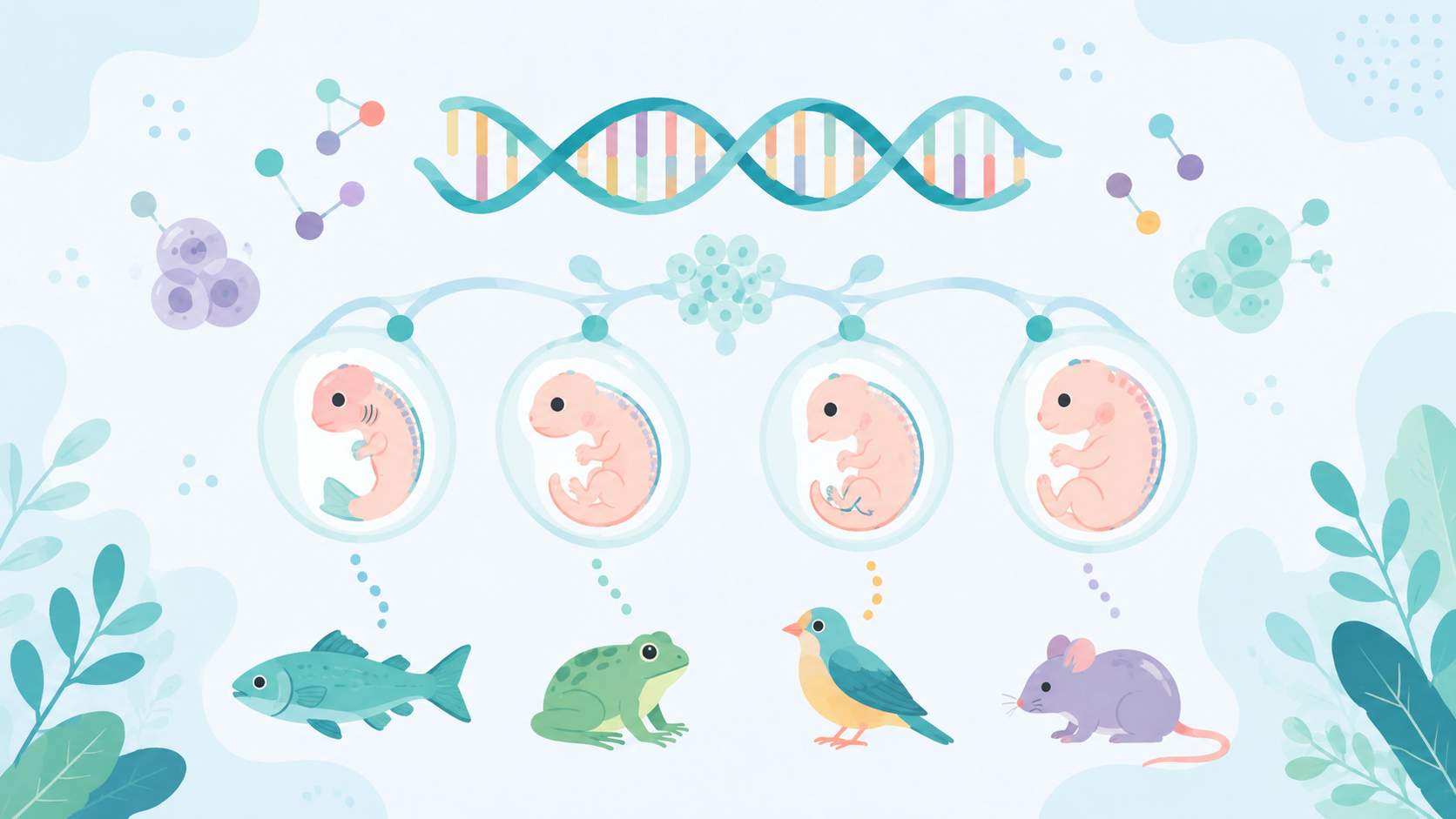
Découvrez la biologie du développement évolutif, le domaine qui étudie les mécanismes du développement embryonnaire et leur évolution au niveau moléculaire, cellulai...