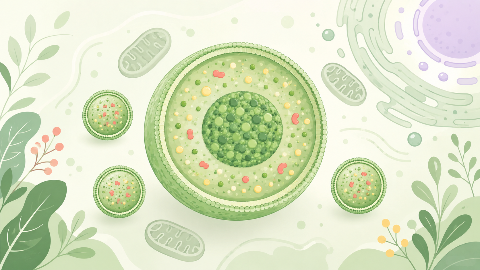
Les péroxysomes
Découvrez les peroxysomes, des petits organelles cellulaires clés pour la survie et l'adaptation de nos cellules ! À travers ce cours de biologie cellulaire, vous ex...
Molecular Biology
In this molecular biology course, learn about the fundamental process by which the genetic code, containing the instructions for protein synthesis, is transcribed from DNA into messenger RNA. Learn the role of promoters, ribonuclease polymerases, and other transcription factors in this process, which is vital to cellular life.
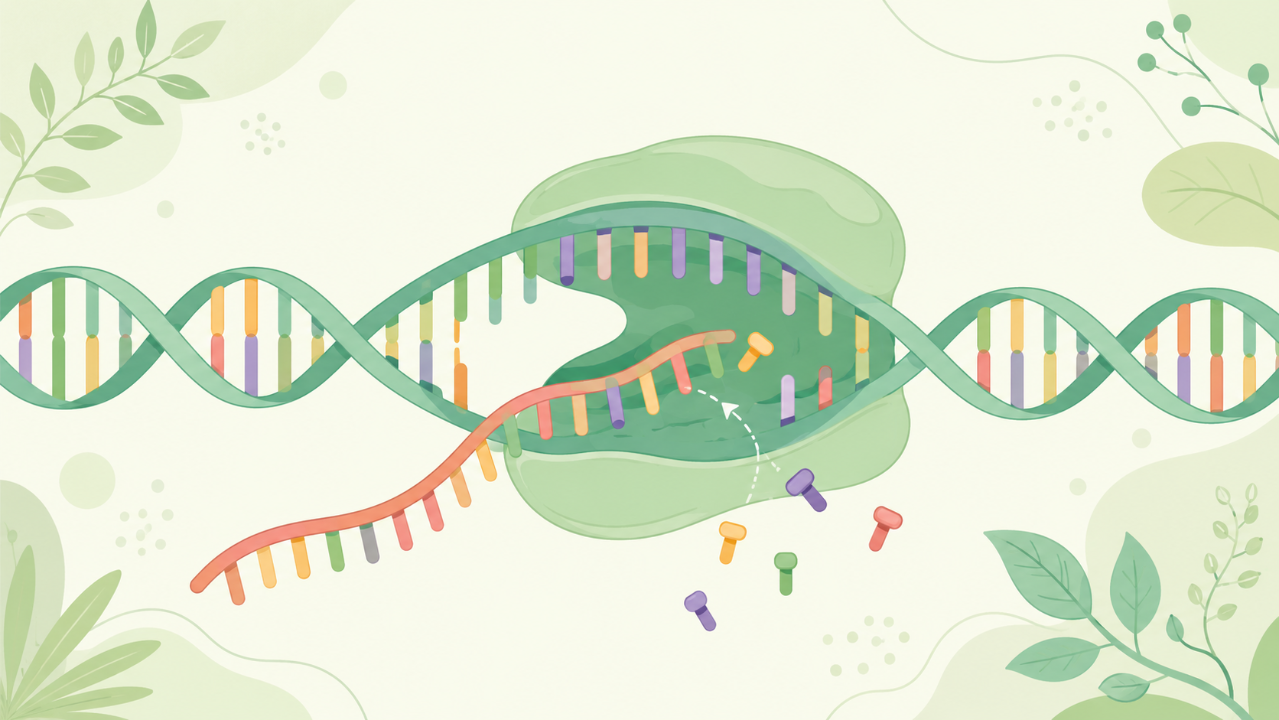
DNA transcription is a vital biological process that occurs within the cell nucleus of all living organisms with a nucleus. It is one of the three fundamental processes of life, along with DNA replication and protein synthesis. This process transcribes genetic information stored in DNA into RNA (ribonucleic acid) molecules using an enzyme called RNA polymerase. The resulting RNA serves as a template for protein synthesis during translation. In this comprehensive course, we will delve into the intricate details of DNA transcription, elucidating its significance, mechanism, regulation, and implications in biological systems.
To comprehend the process of DNA transcription, it is essential to appreciate the structure and function of DNA and RNA molecules. Additionally, we will examine the key players involved in this process, including RNA polymerase, transcription factors, and various regulatory elements. Furthermore, we will explore the significance of DNA transcription in gene expression, cell growth, development, and disease pathogenesis.
Transcription initiation is the first step of DNA transcription, during which RNA polymerase recognizes and binds to the promoter region of a gene. This binding event sets the stage for subsequent steps in the transcription process. We will discuss the structural features of promoters and regulatory elements that influence their function.
Transcription elongation refers to the synthesis of an RNA molecule by RNA polymerase moving along the DNA template, adding nucleotides one at a time in the 5'-3' direction. We will delve into the intricacies of RNA synthesis, including the specificity of nucleotide addition and the role of various factors in ensuring accuracy and fidelity.
Transcription termination marks the end of RNA synthesis, releasing the completed RNA molecule from the DNA template. We will explore the mechanisms by which transcription is terminated and the factors that influence these events.
Regulation of transcription is crucial for fine-tuning gene expression in response to various cellular signals and environmental cues. We will examine the different modes of transcriptional regulation, including transcription factor binding, chromatin remodeling, and RNA interference. Furthermore, we will discuss the implications of aberrant transcription regulation in diseases such as cancer.
While prokaryotes provide a useful model for studying DNA transcription, eukaryotic cells present additional layers of complexity due to their larger genome size, nuclear organization, and multiple forms of RNA polymerase. We will discuss the unique features of DNA transcription in eukaryotes, as well as the challenges and opportunities presented by these differences in research and therapeutic applications.
In this course, we have explored the fascinating process of DNA transcription and its significance in gene expression and protein synthesis. We have delved into the intricate details of transcription initiation, elongation, termination, and regulation, as well as the differences between prokaryotic and eukaryotic systems. By understanding the underlying mechanisms of DNA transcription, we can gain insights into various diseases and develop innovative therapeutic strategies to target dysregulated transcription.
Do you think you know everything about this course? Don't fall into the traps, train with quizzes! eBiologie has hundreds of questions to help you master this subject.


Découvrez les peroxysomes, des petits organelles cellulaires clés pour la survie et l'adaptation de nos cellules ! À travers ce cours de biologie cellulaire, vous ex...
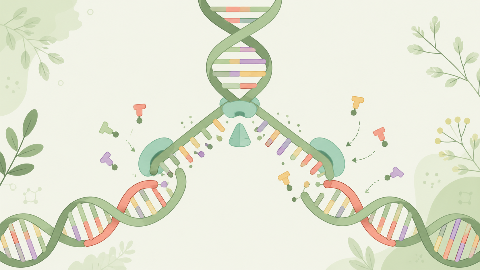
Découvrez comment notre ADN se reproduit à chaque cellule division dans ce cours de biochimie moléculaire : « Réplication du DN ». Vous apprendrez les étapes clés de...
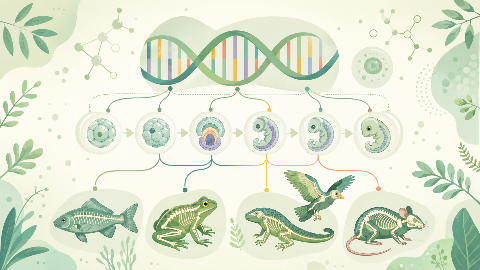
Découvrez la biologie du développement évolutif, le domaine qui étudie les mécanismes du développement embryonnaire et leur évolution au niveau moléculaire, cellulai...
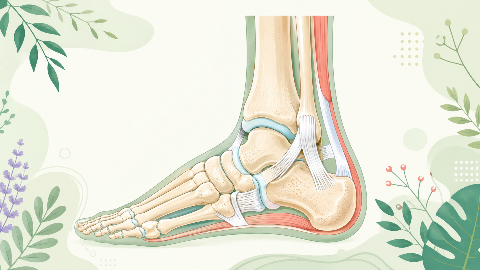
Découvrez le joint talo-pédien dans ce cours de syndesmologie : les os, cartilages et ligaments qui permettent l'articulation de cette jointure complexe. Apprenez à...
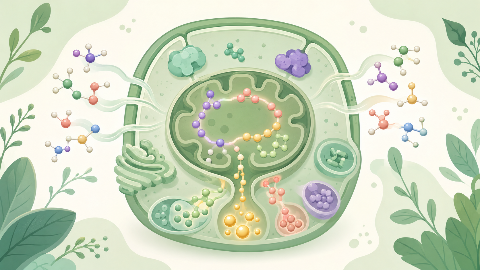
Découvrez le métabolisme des acides aminés dans ce cours passionnant et technique ! Vous apprendrez à identifier les différents types d'acides aminés et à comprendre...
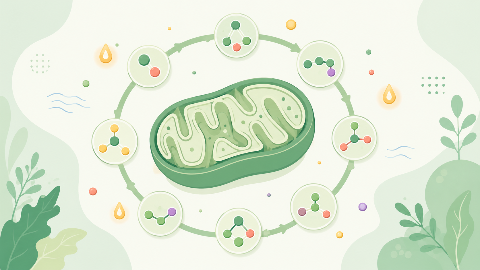
Découvrez le cycle de Krebs : le processus métabolique central qui transforme les acides gras en énergie pour la cellule. Comprenez les étapes de ce processus et app...
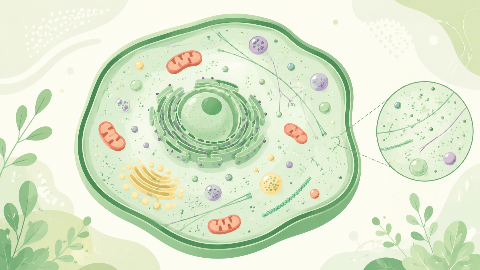
Plongez dans le monde captivant des compartiments cellulaires ! Explore la structure, la fonction et la dynamique du cytosol, notamment son rôle dans la synthèse des...
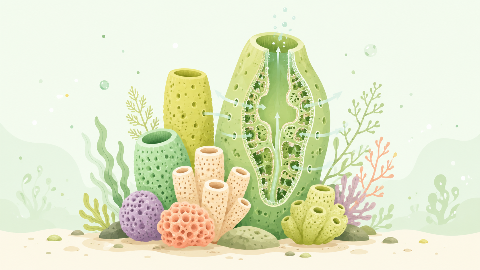
Découvrez le monde des éponges. Commencez par une présentation de leur morphologie et anatomie uniques. Ensuite, explorez l'évolution, la systématique et les comport...