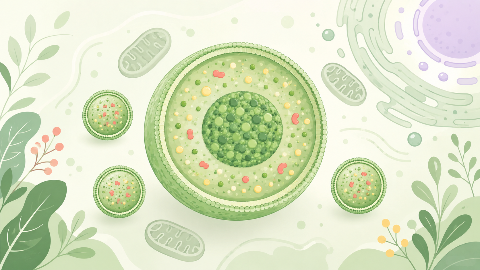
Os peroxissomos
Descubra os peroxsomos, pequenos organelos celulares que são fundamentais para a sobrevivência e adaptação de nossas células! Neste curso de biologia celular, você e...
Arthrology, or syndesmology
Discover the wrist's articular system in this arthrology or syndesmology course: "Wrist Articulation." This complex system will allow you to understand the anatomy, physiology, and pathologies of the three main wrist joints (carpal joint, radial joint, and ulnar joint).
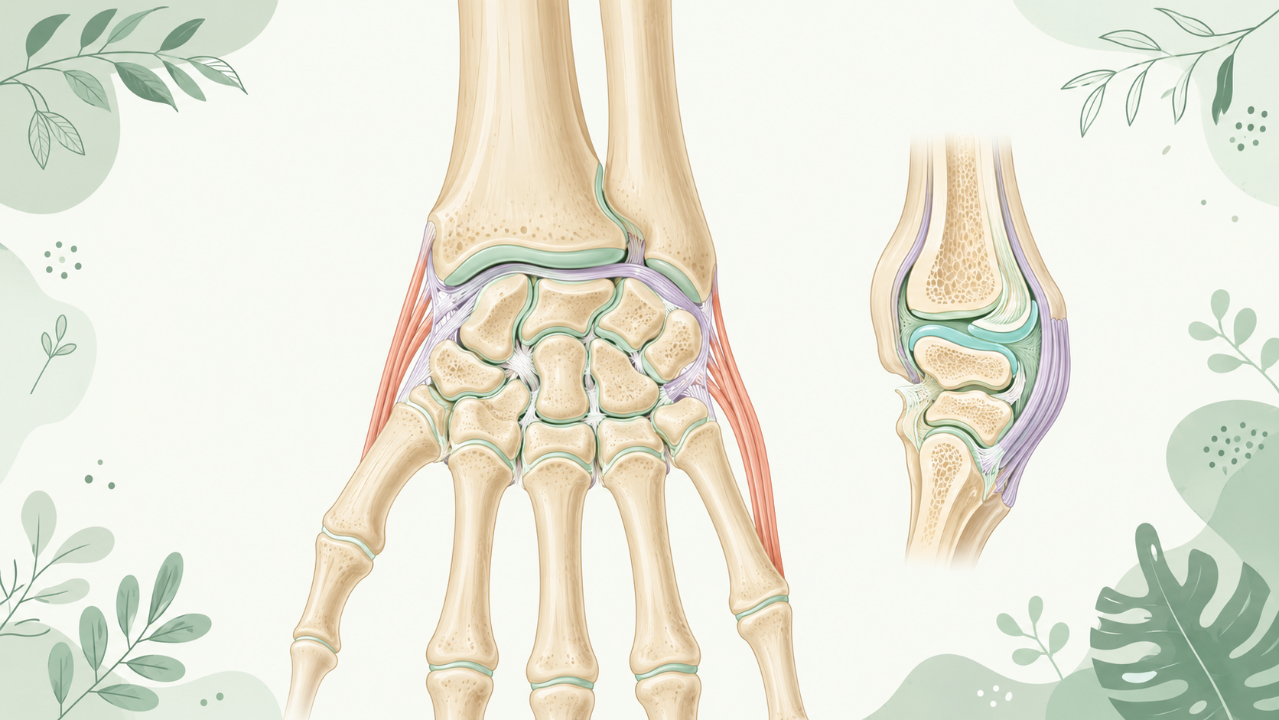
The wrist joint, also known as the carpometacarpal (CMC) joint and radiocarpal joint, is a complex articulation that plays a crucial role in the function of the hand. This joint allows for flexion, extension, abduction, adduction, and circumduction of the wrist and enables the intricate movements necessary for gripping and manipulating objects. This comprehensive course will delve into the anatomical structures, biomechanics, physiology, pathophysiology, clinical assessment, and treatment strategies associated with the wrist joint.
The wrist joint is a synovial articulation that links several bones, namely:
The articular surfaces of these bones create multiple joint spaces:
The wrist joint is enclosed by a synovial capsule that provides stability and lubrication. Several ligaments reinforce the joint, including:
The synovium lines the articular capsule and secretes synovial fluid, providing lubrication for smooth movement. The articular cartilage covers the articular surfaces of the bones and allows for low-friction articulation.
The wrist joint exhibits a complex articular mechanism, allowing for multiple degrees of freedom. The radial head's movement within the radiocarpal joint space and the intercalated segment instability (ISI) between the scaphoid and lunate bones facilitate flexion, extension, abduction, adduction, and circumduction.
Several muscles and their associated tendons influence wrist motion. Some important ones include:
The blood supply to the wrist joint is provided by branches of the radial, ulnar, and anterior interosseous arteries. The principal nerve supply comes from the posterior interosseous, anterior interosseous, and median nerves.
Several injuries and conditions can affect the wrist joint, including:
Clinical assessment involves a detailed history, physical examination, and imaging modalities such as X-rays, MRI, or CT scans. The choice of imaging modality depends on the suspected pathology and clinical presentation.
Conservative management options for wrist injuries include:
Several surgical interventions may be necessary for more severe or refractory wrist conditions, such as:
Do you think you know everything about this course? Don't fall into the traps, train with quizzes! eBiologie has hundreds of questions to help you master this subject.
Descubra os peroxsomos, pequenos organelos celulares que são fundamentais para a sobrevivência e adaptação de nossas células! Neste curso de biologia celular, você e...
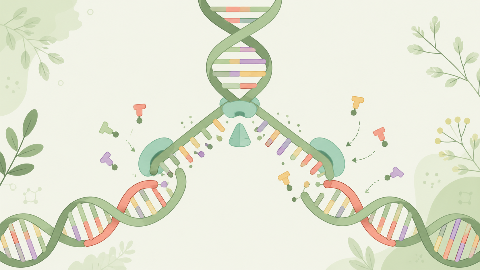
Descubra como nosso DNA se replica a cada divisão celular neste curso de bioquímica molecular: "Replicação do DNA." Você aprenderá os passos principais desse process...
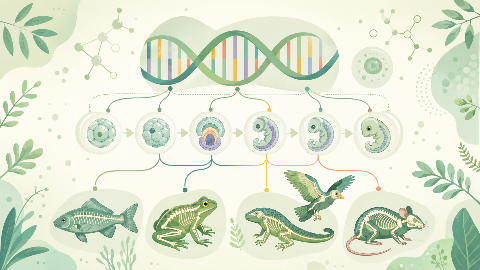
Aprenda sobre biologia evolutiva do desenvolvimento, o campo que estuda os mecanismos do desenvolvimento embrionário e sua evolução nos níveis molecular, celular e e...
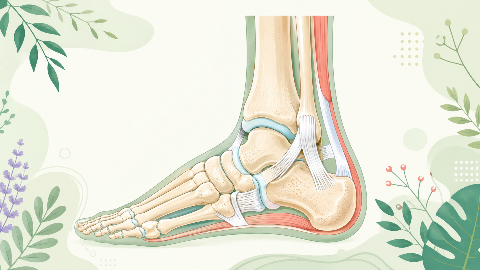
Descubra a articulação talonípede neste curso de sindemologia: os ossos, cartilagem e ligamentos que possibilitam a articulação dessa articulação complexa. Aprenda a...
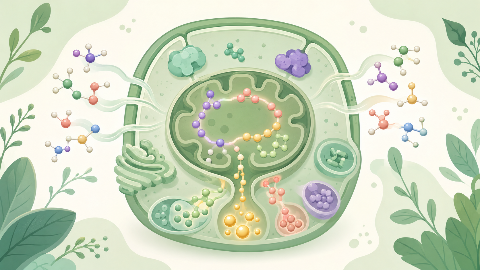
Descubra o metabolismo dos aminoácidos neste curso empolgante e técnico! Você vai aprender a identificar os diferentes tipos de aminoácidos e entender seu papel esse...
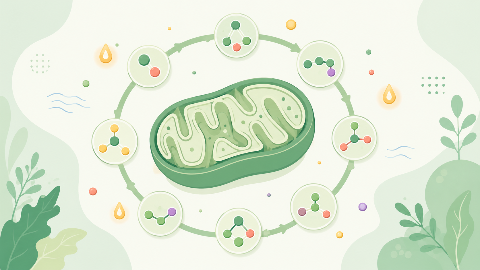
Descubra o ciclo de Krebs: o processo metabólico central que converte ácidos graxos em energia para a célula. Entenda as etapas desse processo e aprenda como ele int...
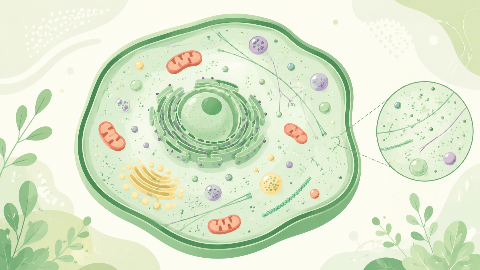
Mergulhe no intrigante mundo dos Compartimentos Celulares! Explore a estrutura, função e dinâmica do citosol, incluindo seu papel na síntese de proteínas, produção d...