Cellular Biology
course-show.h1-title
Discover the major mechanisms of cellular compartmentalization that structure and govern the vital processes of eukaryotic cells in this course entitled "General Cell Compartmentalization."
Introduction
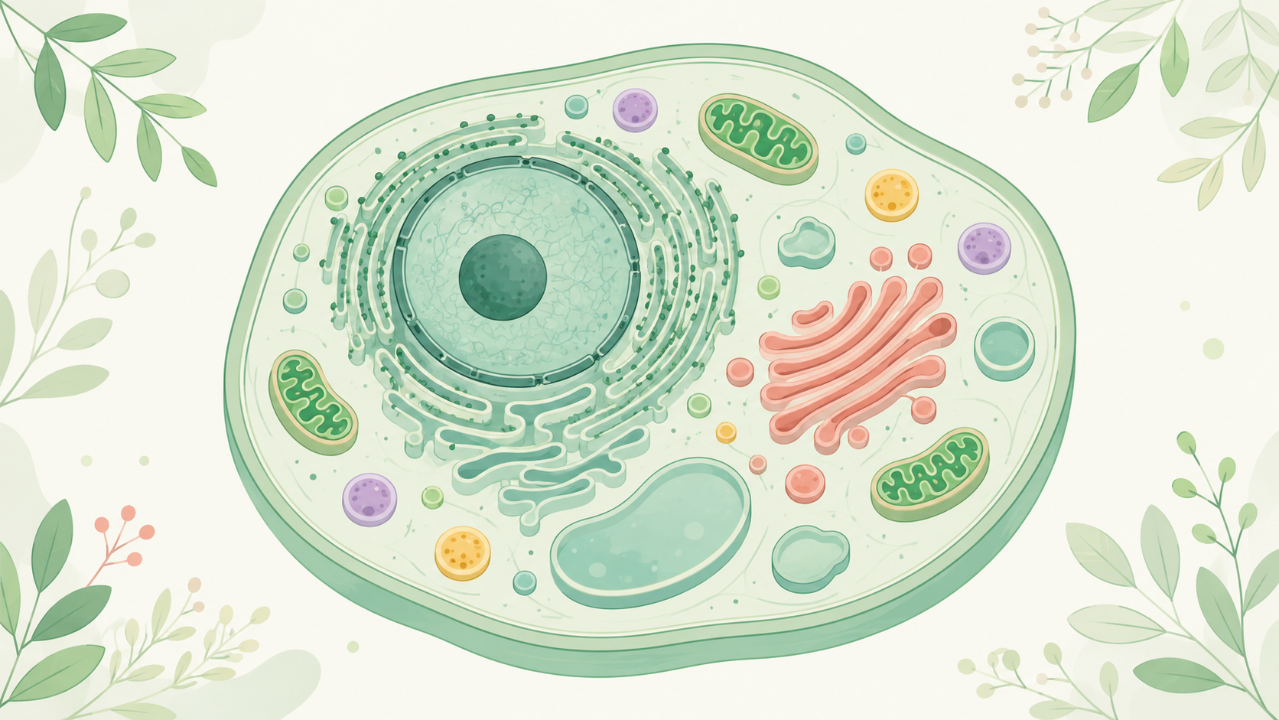
Cellular compartmentalization is a fundamental aspect of cell biology that enables the efficient and organized operation of cells. This process involves the partitioning of various cellular components into distinct regions, thereby creating functional microenvironments within the cytoplasm. The primary objective of this comprehensive course is to elucidate the critical aspects of general cellular compartmentalization, focusing on its role, mechanisms, and implications in maintaining cellular homeostasis.
The Importance of Compartmentalization
Definition and Functionality
Compartmentalization refers to the physical separation of different cellular components into distinct regions within a cell. This segregation allows for an efficient organization of metabolic pathways, signal transduction, protein synthesis, and other essential processes that sustain cellular life. By creating separate microenvironments with specific biochemical properties, cells can efficiently carry out various functions without interference from other reactions occurring elsewhere in the cell.
Cellular Compartments
Cells utilize various membrane-bound organelles and non-membrane compartments to achieve compartmentalization. The most common types of cellular compartments include:
- Nucleus
- Mitochondria
- Endoplasmic Reticulum (ER)
- Golgi Apparatus
- Lysosomes
- Peroxisomes
- Vacuoles and vesicles
- Cytoskeleton
Each compartment plays a unique role in cellular function, and the communication between these regions is essential for maintaining cell homeostasis.
Mechanisms of Compartmentalization
Membrane-Bound Organelles
Membrane-bound organelles are enclosed by a phospholipid bilayer membrane that separates their luminal content from the cytosol. The selective permeability of these membranes allows for the maintenance of specific biochemical conditions and prevents undesired interactions with other cellular components.
Non-Membrane Compartments
Non-membrane compartments, such as the cytoskeleton, do not have a physical barrier but still serve to organize and separate various cellular components. The cytoskeleton is composed of three main protein networks: microtubules, actin filaments, and intermediate filaments. These networks provide shape, stability, and mobility to cells while also playing crucial roles in intracellular transport and signaling pathways.
Communication Between Compartments
Transport Mechanisms
Cells employ various transport mechanisms to facilitate the exchange of molecules between compartments. This includes:
- Passive diffusion
- Active transport (e.g., via ion pumps and carriers)
- Vesicular transport (exocytosis and endocytosis)
- Translocation through organelle-specific channels and pores
Signal Transduction Pathways
Compartmentalization also plays a significant role in signal transduction, as it enables cells to respond specifically to external stimuli while minimizing interference from other signals. This is achieved through the localization of signaling molecules within specific compartments and the activation of cascades that trigger appropriate responses.
Consequences of Altered Compartmentalization
Disease Associations
Disruptions in cellular compartmentalization can lead to various diseases, including:
- Genetic disorders (e.g., lysosomal storage diseases)
- Metabolic disorders (e.g., mitochondrial diseases)
- Neurodegenerative diseases (e.g., Alzheimer's disease)
- Cancer (e.g., aberrant signaling pathways and altered organelle function)
Cellular Homeostasis and Adaptation
Changes in cellular compartmentalization can also impact cellular homeostasis and adaptation to various environmental stresses, such as:
- Oxidative stress (e.g., mitochondrial dysfunction and peroxisome proliferation)
- Osmotic stress (e.g., vacuole expansion and ion transport)
- Nutrient availability (e.g., autophagy regulation and storage vesicle formation)
Future Directions in Compartmentalization Research
Advancements in Technologies
The development of advanced imaging techniques, such as super-resolution microscopy, allows for a better understanding of the dynamics of cellular compartments. These technologies enable researchers to visualize and quantify changes in the organization and function of these regions under various conditions.
Therapeutic Approaches
Targeting cellular compartmentalization as a therapeutic strategy holds promise for treating diseases caused by disruptions in this process. For example, drugs can be designed to modulate the permeability of membranes or enhance vesicular transport mechanisms to correct aberrant conditions within cells.
Conclusion
Cellular compartmentalization is an essential aspect of cell biology that enables efficient and organized operation of cells. By understanding the mechanisms, functional roles, and implications of this process, researchers can develop novel strategies for treating diseases associated with disrupted compartmentalization. As technology continues to advance, our knowledge of cellular compartmentalization will undoubtedly deepen, leading to new opportunities for therapeutic intervention and improved human health.