The peroxisomes
Discover peroxisomes, small cellular organelles that are key to the survival and adaptation of our cells! In this cell biology course, you'll explore their structure...
Biochemistry
Discover the Krebs cycle: the central metabolic process that converts fatty acids into energy for the cell. Understand the steps in this process and learn how it interacts with other metabolic reactions.
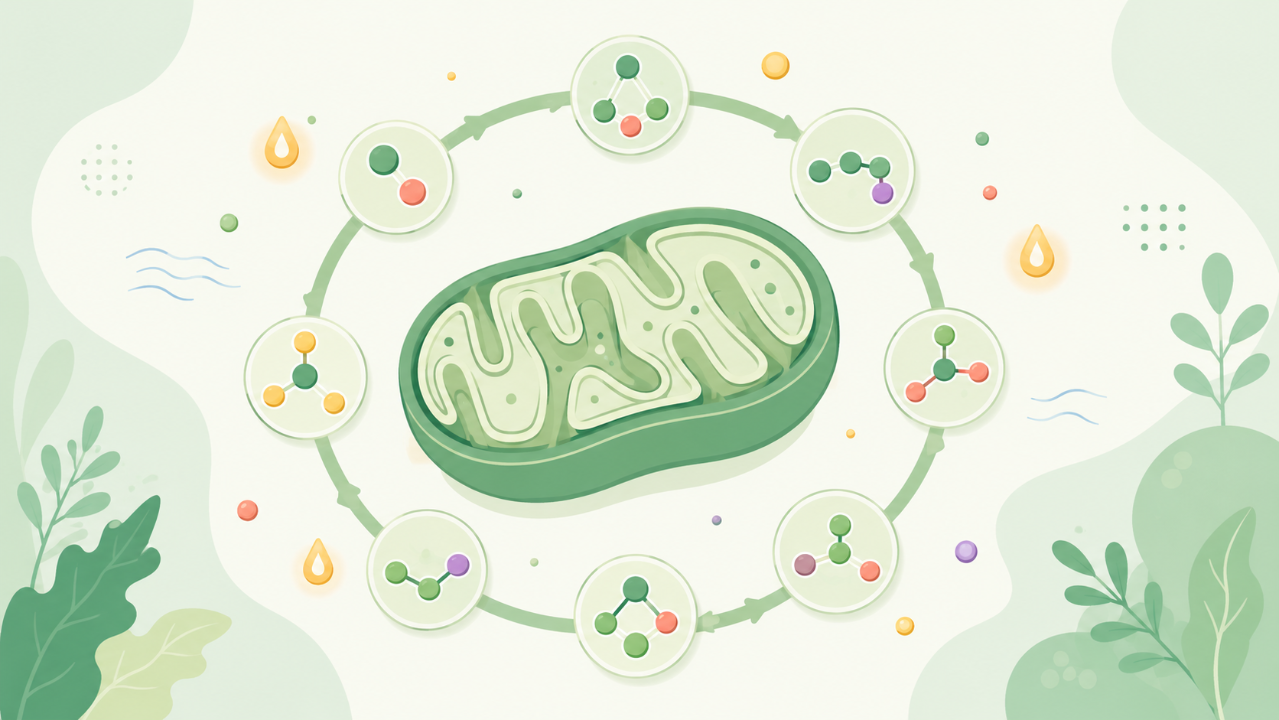
The Krebs cycle, also known as the tricarboxylic acid (TCA) cycle or citric acid cycle, is a fundamental metabolic pathway occurring in the matrix of the mitochondria. This cycle plays a crucial role in aerobic organisms by providing energy through oxidation reactions that generate reduced electron carriers (NADH and FADH2), which are subsequently used in the electron transport chain to produce ATP via oxidative phosphorylation.
The Krebs cycle consists of a series of enzyme-catalyzed reactions, which cyclically convert acetyl-CoA into two molecules of CO2, with concomitant energy production in the form of ATP and reduced cofactors (NADH and FADH2). The overall equation for one turn of the cycle is:
Acetyl-CoA + 3 NAD+ + 1 FAD + 3 ADP + 3 Pi + 2 H2O → 2 CO2 + 3 NADH + CoA + ATP + FADH2 + 3 H+
The cycle is initiated by the condensation of acetyl-CoA with oxaloacetate (OAA), yielding citrate, catalyzed by citrate synthase. The subsequent reactions involve repeated additions of two-carbon compounds derived from acetyl-CoA to the four-carbon compound citrate, followed by decarboxylation and cleavage steps that release CO2 and regenerate OAA, completing one cycle.
The first reaction in the cycle involves the condensation of acetyl-CoA with oxaloacetate to form citrate, catalyzed by citrate synthase (CS). The CoA moiety of acetyl-CoA is transferred to the alpha-carboxyl group of OAA.
The conversion of citrate to isocitrate is catalyzed by aconitase, which hydrates citrate at its beta carbon to produce cis-aconitate, followed by dehydration to yield isocitrate.
Isocitrate is converted into alpha-ketoglutarate and CO2 via oxidative decarboxylation by isocitrate dehydrogenase (IDH). This reaction involves the reduction of NAD+, producing NADH.
The next step in the cycle is the oxidative decarboxylation of alpha-ketoglutarate to produce succinyl-CoA, CO2, and reducing equivalents (NADH or FADH2). This reaction is catalyzed by the α-ketoglutarate dehydrogenase complex.
The succinyl-CoA formed in the previous step is converted into succinate and CoA, catalyzed by succinyl-CoA synthetase (SCS). This reaction also consumes ATP to produce ADP + Pi.
The conversion of succinate to fumarate is catalyzed by succinate dehydrogenase (SDH), which involves the simultaneous oxidation of succinate and reduction of FAD. The reduced FAD is subsequently reoxidized by oxygen, generating FADH2 during electron transport in the inner mitochondrial membrane.
The mutual hydration of fumarate to malate and dehydration of malate back to fumarate is catalyzed by fumarase (FA). This reaction provides a mechanism for reversible regulation of the Krebs cycle, as the equilibrium favors malate under low ATP concentrations and high ADP concentrations.
The final conversion of malate back to oxaloacetate is catalyzed by malate dehydrogenase (MDH), which involves the oxidation of malate and reduction of NAD+, producing NADH in the process. This reaction sets up a cycle, as OAA can now react with acetyl-CoA to initiate another turn of the Krebs cycle.
The rate of flux through the Krebs cycle is regulated at multiple levels, including substrate availability, allosteric regulation of enzymes, and feedback inhibition. The most significant regulatory mechanisms include:
The Krebs cycle is a crucial metabolic pathway in aerobic organisms, providing energy and reduced cofactors necessary for ATP synthesis via oxidative phosphorylation. The cycle consists of a series of enzyme-catalyzed reactions that cyclically convert acetyl-CoA into CO2, with concomitant energy production in the form of ATP and reduced cofactors (NADH and FADH2). Regulation of the Krebs cycle occurs at multiple levels to ensure proper metabolism and energy balance.
Do you think you know everything about this course? Don't fall into the traps, train with quizzes! eBiologie has hundreds of questions to help you master this subject.
Discover peroxisomes, small cellular organelles that are key to the survival and adaptation of our cells! In this cell biology course, you'll explore their structure...
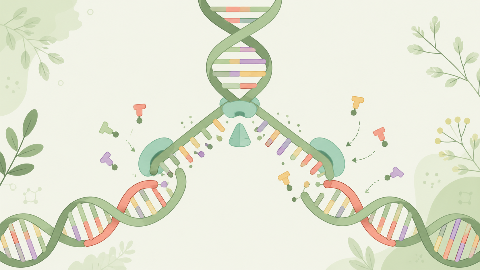
Discover how our DNA replicates with each cell division in this molecular biochemistry course: "DNA Replication." You'll learn the key steps in this crucial process...
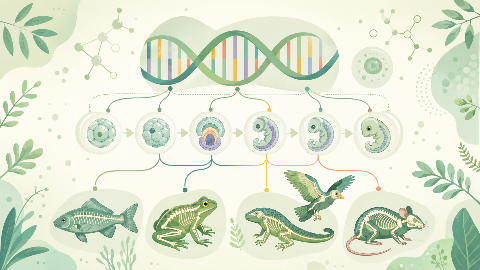
Learn about evolutionary developmental biology, the field that studies the mechanisms of embryonic development and their evolution at the molecular, cellular, and st...
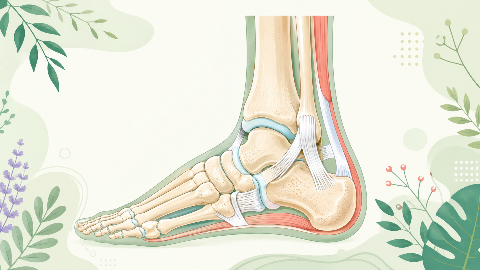
Discover the talonipedal joint in this syndesmology course: the bones, cartilage, and ligaments that enable the articulation of this complex joint. Learn to identify...
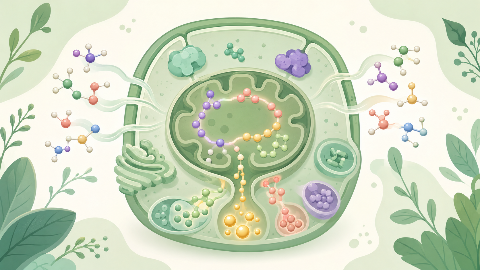
Discover amino acid metabolism in this exciting and technical course! You'll learn to identify the different types of amino acids and understand their essential role...
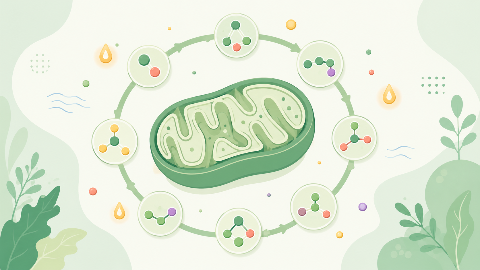
Discover the Krebs cycle: the central metabolic process that converts fatty acids into energy for the cell. Understand the steps in this process and learn how it int...
Dive into the intriguing world of Cellular Compartments! Explore the cytosol's structure, function, and dynamics, including its role in protein synthesis, energy pro...