Cellular Biology
course-show.h1-title
Dive into the intriguing world of Cellular Compartments! Explore the cytosol's structure, function, and dynamics, including its role in protein synthesis, energy production, and cell signaling. Delve into fascinating topics like transport mechanisms, biomolecular interactions, and quality control systems that maintain cytosolic homeostasis.
Introduction
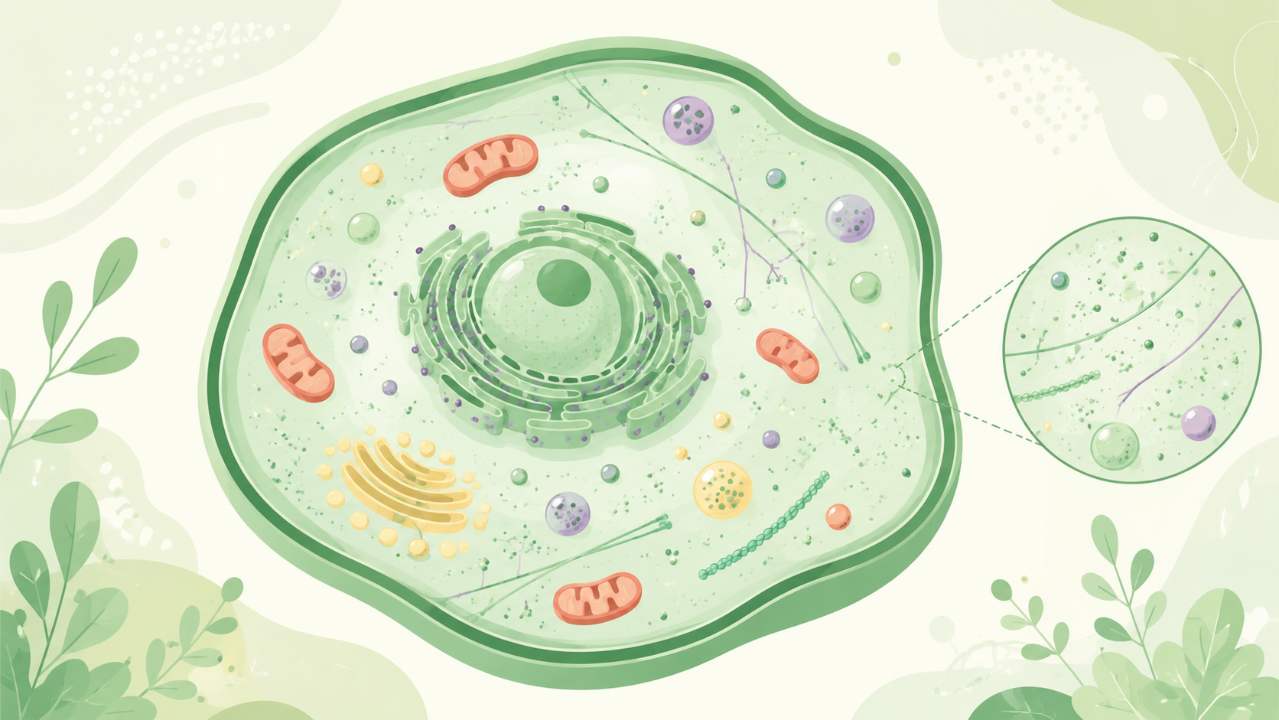
The cytosol, a dynamic and complex environment, constitutes the major portion of the eukaryotic cell. This intricate compartment serves as a hub for various biochemical reactions, protein synthesis, signal transduction, and maintains the structural integrity of the cell. Understanding the cytosolic compartment is crucial in explaining numerous cellular processes, including those associated with cell growth, division, differentiation, and death.
Overview of the Cytosol
Composition of the Cytosol
The cytosol is primarily composed of a complex mixture of proteins, lipids, carbohydrates, ions, and metabolites in an aqueous solution. Proteins represent approximately 50% of the dry weight of the cell and play essential roles in catalyzing biochemical reactions, maintaining cellular structure, and serving as building blocks for various cellular components.
Properties of the Cytosol
The cytosol exhibits several properties that make it a unique environment for the various processes taking place within it. These include:
- pH regulation: The cytosol is slightly basic, with a pH between 7.2 and 7.4, which allows for optimal enzymatic activity and protein function.
- Ionic balance: The cytosol has a high concentration of potassium (K+) ions (130-150 mM), low sodium (Na+) concentration (5-15 mM), and moderate levels of other ions such as magnesium (Mg2+) and calcium (Ca2+).
- Viscosity: The cytosol is a viscoelastic fluid with a high viscosity due to the presence of macromolecules, making it challenging for molecules and vesicles to move freely within the cytoplasm.
- Dynamic nature: The cytosol is not static but constantly undergoing changes, as proteins, lipids, and other molecules are continuously being synthesized, transported, degraded, or modified.
Role of the Cytosolic Compartment in Cellular Processes
Protein Synthesis
The cytosol serves as the site for protein synthesis, a process initiated by mRNA translation on ribosomes. Ribosomes are complex organelles that bind to mRNA and use it as a template to synthesize proteins through the stepwise addition of amino acids. This process is tightly regulated to ensure the correct synthesis of proteins at the appropriate times and locations within the cell.
Signal Transduction
The cytosol plays a vital role in signal transduction pathways, allowing cells to respond to various stimuli from their environment. These pathways often involve the activation of intracellular enzymes, which catalyze a series of chemical reactions, ultimately leading to changes in gene expression or cell behavior.
Transport and Trafficking
The cytosol is also involved in the transport and trafficking of molecules within the cell. This includes the movement of proteins between organelles, vesicle formation and fusion, as well as the regulation of ion and metabolite concentrations. The cytosolic compartment is interconnected with other subcellular compartments through a network of transport systems that facilitate the exchange of molecules between them.
Conclusion
The cytosol represents an essential compartment within eukaryotic cells, hosting various critical biochemical processes and maintaining structural integrity. Understanding the properties and functions of the cytosolic compartment is crucial for comprehending numerous cellular processes and developing targeted therapies for a wide range of diseases.