Cellular Biology
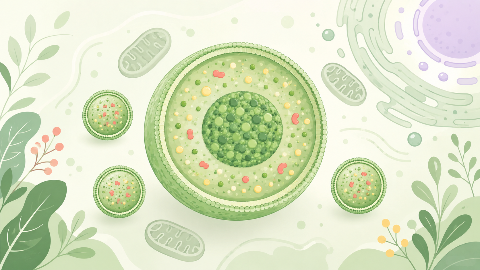
The peroxisomes
Discover peroxisomes, small cellular organelles that are key to the survival and adaptation of our cells! In this cell biology course, you'll explore their structure...
Plant physiology
Discover the extraordinary journey of a seed to plant maturity in our "From Seed to Plant" course. By exploring the germination process, you'll learn to understand the physiological transformations that occur as a plant sprouts and grows. You'll also have the opportunity to observe root and stolon growth, as well as the interactions between plants and their environment.
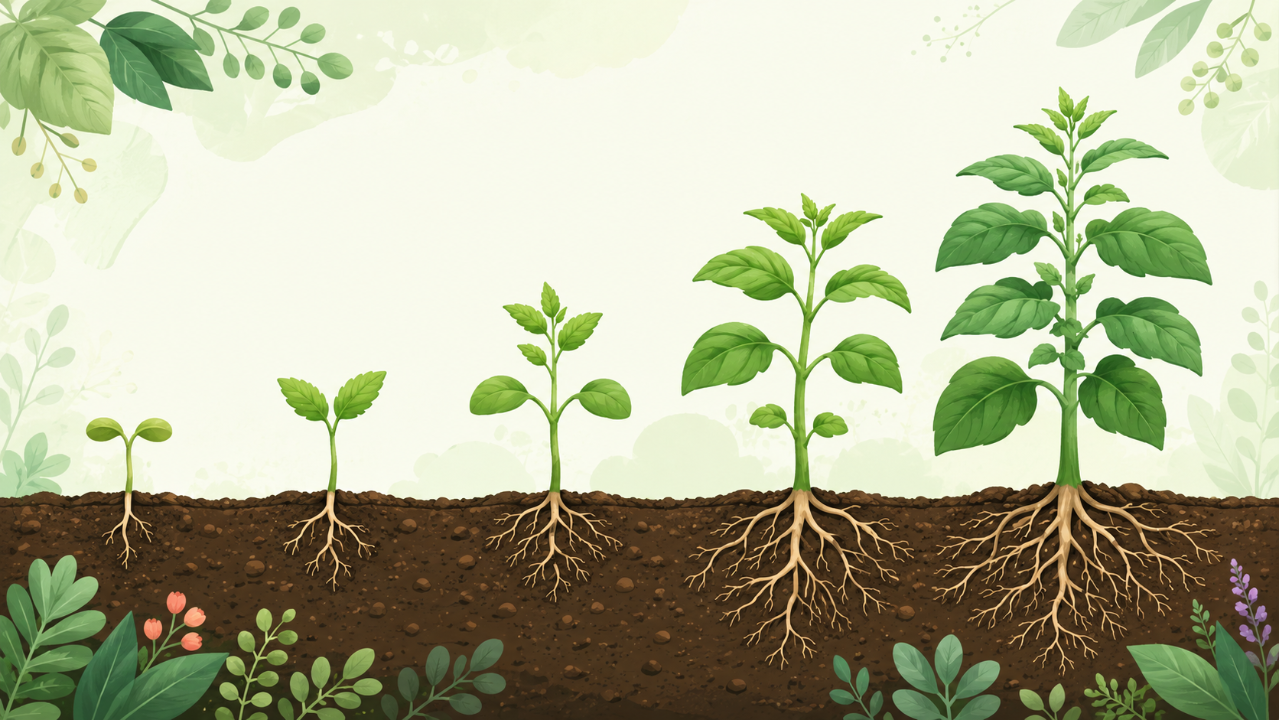
This comprehensive course aims to elucidate the physiological aspects of plant development, with a specific focus on the transformation of a seedling into a fully-grown plant. The journey from seed germination to vegetative growth encompasses a myriad of biochemical and molecular processes that are crucial for the survival and propagation of plant species.
Germination is the process by which a dormant seed sprouts, initiating the growth of a new plant. The conditions required for germination include appropriate temperature, moisture, oxygen, and light.
Successful germination ensures the continuation of plant species. It sets in motion the growth and development processes necessary for the establishment of a functional root system, shoot system, and eventual reproduction.
The embryo within a seed undergoes several stages of development before it is ready to germinate. These stages include the globular, heart-shaped, torpedo, and cotyledonary stages. Each stage is characterized by specific morphological changes that prepare the embryo for life outside the seed.
Emergence refers to the process whereby the embryonic shoot (plumule) and root (radicle) push through the seed coat and into the surrounding environment. The presence of a suitable environment plays a crucial role in determining the success of emergence.
The primary root, which emanates from the radicle, is responsible for anchoring the plant and absorbing water and minerals from the soil. Its elongation allows the plant to establish a strong connection with the ground.
Secondary roots, or adventitious roots, develop from the stem or existing roots, enhancing the surface area available for nutrient absorption. The establishment of an extensive root system is essential for supporting the shoot system and accessing resources.
The plumule grows upwards, eventually developing into the main stem (or hypocotyl) and further branches (cauline internodes). This growth allows the shoot system to reach sunlight for photosynthesis.
Leaves are essential organs of the shoot system, responsible for carrying out photosynthesis. They develop from leaf primordia located at the apical meristem of the plumule.
Photosynthesis is the process by which plants convert carbon dioxide and water into glucose (sugar) and oxygen, using energy from sunlight. This essential metabolic process fuels plant growth and allows for the production of new tissues.
Growth regulation in plants involves a delicate balance between auxin production and response, cell division, and expansion. Understanding these processes is crucial for appreciating how plants control their size and shape during vegetative growth.
Further research into plant development will continue to shed light on the intricate processes that govern growth, allowing for a more nuanced understanding of these vital organisms and their role in our ecosystem.
هل تعتقد أنك تعرف كل شيء عن هذه الدورة؟ لا تقع في الفخاخ، تدرب مع الأسئلة المتعددة الأسئلة! eBiologie لديه مئات الأسئلة لمساعدتك في إتقان هذا الموضوع.
Discover peroxisomes, small cellular organelles that are key to the survival and adaptation of our cells! In this cell biology course, you'll explore their structure...
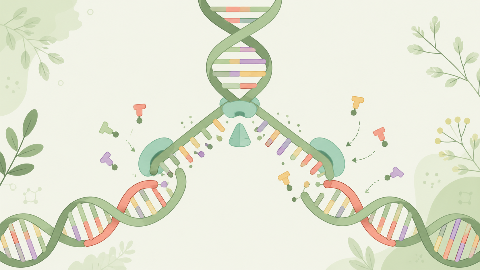
Discover how our DNA replicates with each cell division in this molecular biochemistry course: "DNA Replication." You'll learn the key steps in this crucial process...
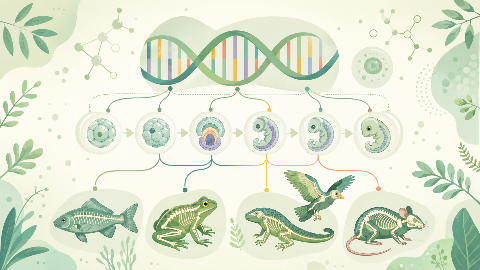
Learn about evolutionary developmental biology, the field that studies the mechanisms of embryonic development and their evolution at the molecular, cellular, and st...