Cellular Biology
The peroxisomes
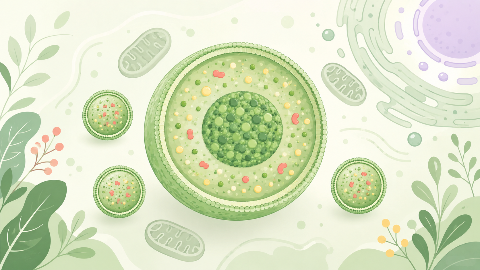
Discover peroxisomes, small cellular organelles that are key to the survival and adaptation of our cells! In this cell biology course, you'll explore their structure...
Biochemistry
Discover the phosphodiester bond, a keystone in molecular biology. This course explores the structure and function of these essential chemical bonds in transport, cellular signaling, and metabolic energy.

The phosphodiester bond is a critical linkage between the monomers of nucleic acids, DNA and RNA, as well as between sugar units of polysaccharides. This covalent bond plays a crucial role in the structure, function, and replication of these essential biological macromolecules. In this comprehensive course on the phosphodiester bond, we will delve into its formation, properties, roles, and implications within the context of nucleic acids and polysaccharides.
The monomers of nucleic acids are composed of a sugar molecule (deoxyribose in DNA, ribose in RNA) bonded to a nitrogenous base and one or more phosphate groups. The nitrogenous bases are purines (adenine and guanine) or pyrimidines (thymine in DNA, uracil in RNA).
The phosphate group consists of a central phosphorus atom bonded to three oxygen atoms, forming an orthophosphate ion (H2PO4-). In the context of nucleic acids, this orthophosphate ion undergoes further reactions to form the phosphodiester group.
The formation of a phosphodiester bond involves the condensation reaction between the hydroxyl (OH-) group on the 5' carbon atom of one sugar molecule and the phosphate group of another sugar molecule, releasing a water molecule (H2O). This process is facilitated by an enzyme called DNA polymerase or RNA polymerase, depending on the type of nucleic acid.
The phosphodiester bond is highly polar due to the presence of negatively charged oxygen atoms in the phosphate group. This polarity allows for intramolecular hydrogen bonding between the hydroxyl groups on adjacent sugar molecules, contributing to the overall stability and structure of the nucleic acid strand.
The phosphodiester bond is a covalent linkage that connects the 5' carbon atom of one sugar molecule to the 3' carbon atom of an adjacent sugar molecule, resulting in a directional backbone with a 3'-5' polarity. This directionality is essential for various biological processes such as replication and transcription.
The phosphodiester bond provides the backbone structure that holds the nucleotides together, maintaining the double-helix conformation of DNA or the single-stranded nature of RNA. This stability is crucial for ensuring accurate replication and transcription processes.
The sequence of nitrogenous bases within a nucleic acid strand encodes genetic information. The phosphodiester bond serves as a physical connector between these base pairs, facilitating the transmission and storage of this encoded data within cells and across generations.
The specific arrangement of the phosphodiester backbone allows for enzymes to recognize and interact with specific sequences of nucleotides. This recognition is essential for various biological processes such as replication, repair, transcription, translation, and regulation.
The phosphodiester bond connects sugar units within polysaccharide molecules, forming linear or branched structures that determine the overall conformation and properties of the polysaccharide. These structural differences impact various biological functions such as cell adhesion, tissue integrity, and energy storage.
The formation and breakdown of polysaccharides involve the phosphodiester bond, with enzymes catalyzing the addition or removal of phosphate groups during biosynthesis and catabolism processes.
Understanding the structure, properties, roles, and implications of the phosphodiester bond is essential for advancing our knowledge in various fields such as genetics, molecular biology, and biochemistry. The study of the phosphodiester bond may lead to new treatments for genetic diseases, improved understanding of cellular processes, and novel applications in bioengineering and synthetic biology.
In this comprehensive course on the phosphodiester bond, we have explored its formation, properties, roles, and implications within the context of nucleic acids and polysaccharides. The phosphodiester bond serves as a critical linkage in these essential biological macromolecules, playing a crucial role in structure, function, replication, and transmission of genetic information. As our understanding of this bond continues to evolve, so too will its potential applications in biotechnology and beyond.
هل تعتقد أنك تعرف كل شيء عن هذه الدورة؟ لا تقع في الفخاخ، تدرب مع الأسئلة المتعددة الأسئلة! eBiologie لديه مئات الأسئلة لمساعدتك في إتقان هذا الموضوع.
Discover peroxisomes, small cellular organelles that are key to the survival and adaptation of our cells! In this cell biology course, you'll explore their structure...
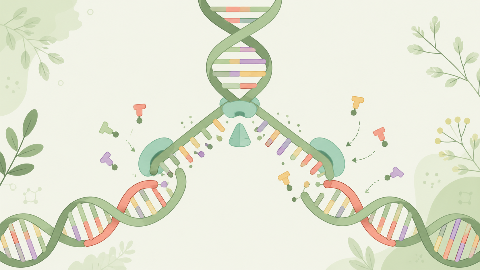
Discover how our DNA replicates with each cell division in this molecular biochemistry course: "DNA Replication." You'll learn the key steps in this crucial process...
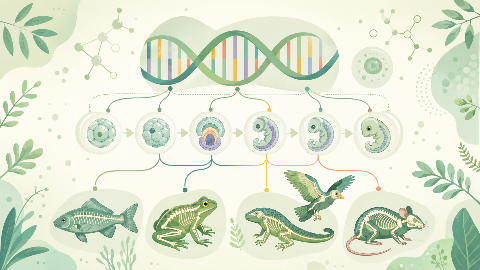
Learn about evolutionary developmental biology, the field that studies the mechanisms of embryonic development and their evolution at the molecular, cellular, and st...