Cellular Biology
The peroxisomes
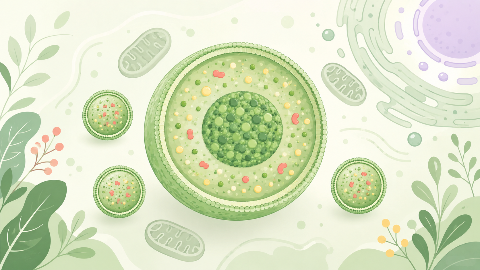
Discover peroxisomes, small cellular organelles that are key to the survival and adaptation of our cells! In this cell biology course, you'll explore their structure...
Angiology, vascular medicine or vascular medicine.
Arteries of the Leg: Discover the key structures of the infraaortic vascular system. In this vascular physiology course, we will explore the arterial system of the leg and examine its essential role in blood perfusion of the lower limbs. We will cover the main structures of the deep femoral, internal tibial, and peroneal arteries.

The purpose of this comprehensive academic course is to provide an in-depth study on the arterial system of the lower limb, specifically focusing on its anatomy and physiology. This course belongs to the field of Angiology, Vascular Medicine, or Vascular Surgery. The following sections will systematically delve into the essential aspects related to this topic without employing schematic representations or illustrations.
This section provides a general overview of the leg's anatomy and its segmentation, focusing on the bones, muscles, and associated structures relevant for understanding the arterial system.
The lower limb is divided into three regions: the thigh, the calf, and the foot. Each region is further subdivided into compartments based on the underlying musculature.
The thigh, which consists of the femur and its surrounding structures, is the uppermost portion of the leg. It houses some of the largest muscles in the body, such as the quadriceps femoris and the adductors.
This section discusses the main arteries that supply blood to the leg, their origins, branches, and terminal vessels.
The femoral artery is the principal vessel supplying the thigh region. It originates from the external iliac artery, which itself stems from the common iliac artery. The femoral artery descends through the femoral triangle, giving off branches that supply the muscles and other tissues of the thigh.
The popliteal artery runs through the popliteal fossa, giving off branches that supply the calf muscles and the posterior aspect of the leg.
This section discusses conditions and pathologies affecting the leg's arteries, their underlying causes, symptoms, diagnosis, treatment, and prognosis.
Atherosclerosis is a progressive condition characterized by the deposition of plaque within the walls of the arteries, leading to narrowing or occlusion. It is the most common cause of peripheral artery disease (PAD), which predominantly affects the lower extremities.
An embolus is a detached thrombus or foreign material that travels through the bloodstream and obstructs an artery. In the leg, emboli can originate from the heart or atherosclerotic plaques and result in various clinical manifestations, such as claudication or gangrene.
Thrombosis refers to the formation of a blood clot within an artery, often due to damage or stasis. Thrombosis can be caused by various factors, including atherosclerosis, trauma, or inflammation, and may lead to ischemia or tissue necrosis in the affected region.
هل تعتقد أنك تعرف كل شيء عن هذه الدورة؟ لا تقع في الفخاخ، تدرب مع الأسئلة المتعددة الأسئلة! eBiologie لديه مئات الأسئلة لمساعدتك في إتقان هذا الموضوع.
Discover peroxisomes, small cellular organelles that are key to the survival and adaptation of our cells! In this cell biology course, you'll explore their structure...
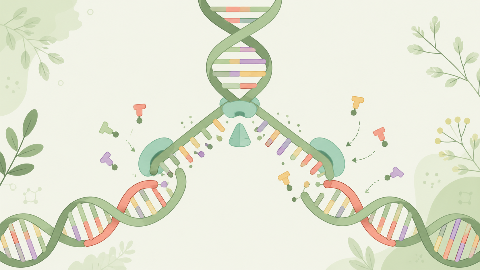
Discover how our DNA replicates with each cell division in this molecular biochemistry course: "DNA Replication." You'll learn the key steps in this crucial process...
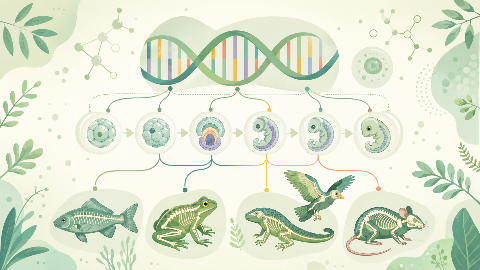
Learn about evolutionary developmental biology, the field that studies the mechanisms of embryonic development and their evolution at the molecular, cellular, and st...