Cellular Biology
The peroxisomes
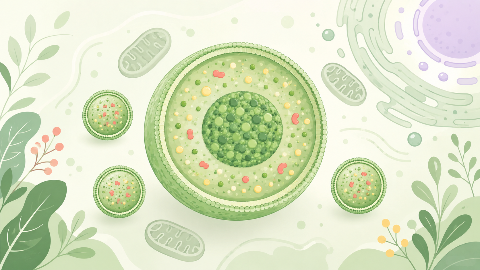
Discover peroxisomes, small cellular organelles that are key to the survival and adaptation of our cells! In this cell biology course, you'll explore their structure...
Metabolic biochemistry
Discover amino acid metabolism in this exciting and technical course! You'll learn to identify the different types of amino acids and understand their essential role in protein synthesis.
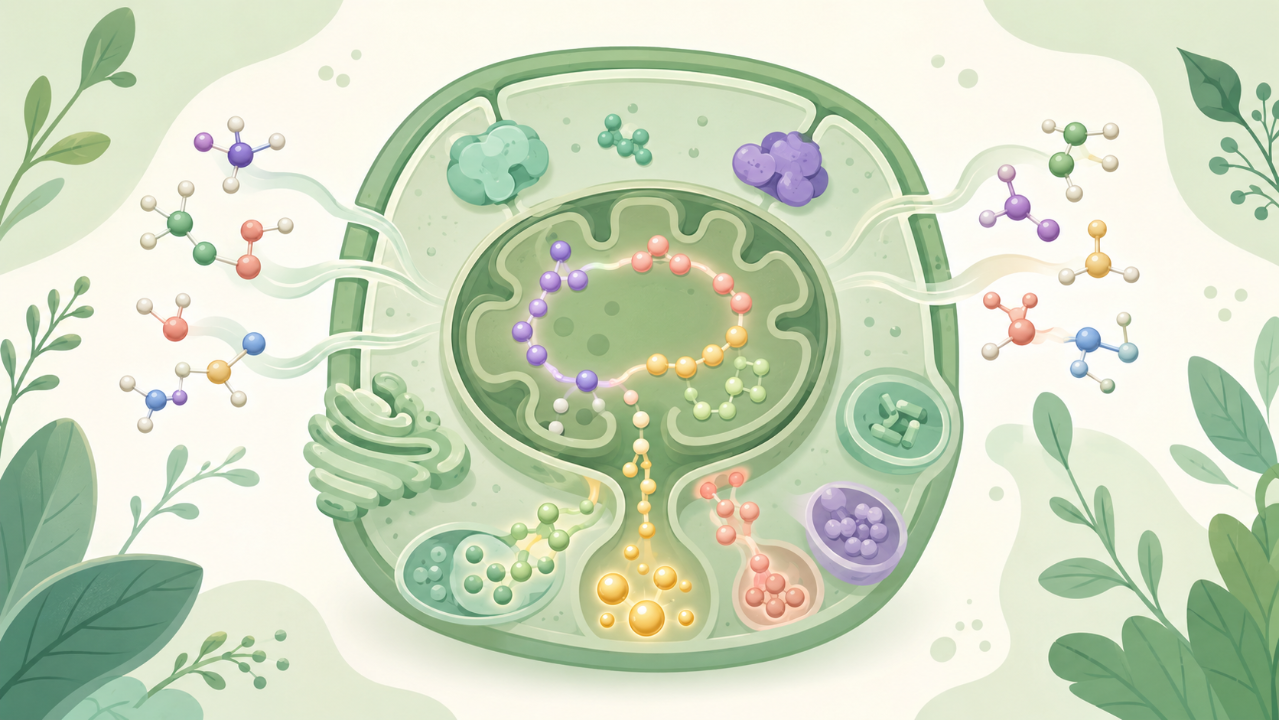
The metabolism of amino acids is a crucial aspect of cellular metabolism, playing essential roles in protein synthesis, energy production, and the regulation of various physiological processes. This comprehensive course aims to provide an in-depth understanding of the metabolic pathways involved in the breakdown (catabolism) and synthesis (anabolism) of amino acids, their interconversions, and their role in maintaining cellular homeostasis.
Amino acids are organic compounds with an alpha-amino group (-NH2) and a carboxyl group (-COOH) attached to the same carbon atom, known as the alpha carbon or α-carbon. They can be classified based on their side chains (R-group) into three categories: nonpolar, polar uncharged, and charged.
Nonpolar amino acids have hydrophobic side chains that do not interact with water molecules. Examples include alanine, valine, leucine, isoleucine, and phenylalanine.
Polar uncharged amino acids have side chains that contain polar functional groups but do not bear a net charge under physiological conditions. Examples include serine, threonine, tyrosine, cysteine, and methionine.
Charged amino acids have side chains that carry either positive or negative charges under physiological conditions. The positively charged amino acids are lysine, arginine, and histidine, while the negatively charged aspartic acid and glutamic acid are known as acidic amino acids.
The catabolic pathways of amino acids serve to break them down into simpler molecules such as carbon dioxide (CO2), water (H2O), and energy in the form of adenosine triphosphate (ATP). This process is primarily carried out in the mitochondria.
Before being catabolized, amino acids must first be transported into the cell and then across the inner mitochondrial membrane. This process is facilitated by specific transporters that are either sodium-dependent or sodium-independent.
The catabolic pathways of amino acids can be divided into three main groups: deamination, transamination, and oxidative degradation. Each amino acid has its unique catabolic pathway, which will be discussed in detail for some key amino acids later in this course.
In contrast to catabolism, anabolism involves the synthesis of amino acids from simpler precursors, such as carbon dioxide (CO2), ammonia (NH3), and various other organic compounds. This process occurs mainly in the cytoplasm and is essential for protein synthesis, which underpins cell growth, division, and maintenance.
The biosynthetic pathways of amino acids can be divided into two main groups: non-essential amino acids and essential amino acids. Non-essential amino acids are those that can be synthesized de novo by the organism, while essential amino acids must be obtained through dietary sources due to their inability to be synthesized by the organism.
The metabolism of amino acids is tightly regulated to maintain cellular homeostasis, ensure proper protein synthesis, and prevent toxic accumulations of certain amino acids. This regulation involves various enzymes, transporters, and signaling pathways that respond to changes in the intracellular levels of specific amino acids.
In this section, we will explore the catabolic and anabolic pathways of some key amino acids, including alanine, aspartic acid, glutamic acid, glycine, proline, serine, and tyrosine.
Alanine is a nonpolar amino acid that serves as an important intermediate in the interconversion of pyruvate and glucose. It can be synthesized from pyruvate via the alanine-aspartate shuttle or produced during protein catabolism.
Aspartic acid is a polar uncharged amino acid involved in various metabolic pathways, including the tricarboxylic acid (TCA) cycle, purine synthesis, and the biosynthesis of several other amino acids. It can be synthesized de novo from aspartate kinase, homoserine dehydrogenase, and dihydropicolinate synthase.
Glutamic acid is an abundant amino acid that plays a pivotal role in various metabolic pathways, such as the TCA cycle, neurotransmission, and the biosynthesis of other amino acids. It can be synthesized de novo from α-ketoglutarate through the action of glutamate dehydrogenase, glutaminase, and glutamine synthetase.
Glycine is a simple, nonpolar amino acid that serves as a precursor for various biomolecules, including proteins, nucleotides, and porphyrins. It can be synthesized de novo from serine via the action of serine hydroxymethyltransferase and glycinamide ribonucleotide transformylase.
Proline is a unique amino acid with an imino group (-C=NH-) in its side chain, which confers a secondary structure known as the cis-trans isomerism to proline-containing peptides and proteins. It can be synthesized de novo from glutamate via the action of glutamic γ-semialdehyde and proline-rich polypeptide aminopeptidase.
Serine is a polar uncharged amino acid involved in various metabolic pathways, including one-carbon metabolism, lipid synthesis, and the biosynthesis of several other amino acids. It can be synthesized de novo from 3-phosphoglycerate via the action of phosphoglycerate dehydrogenase, phosphoserine aminotransferase, and phosphoserine phosphatase.
Tyrosine is a polar uncharged amino acid that serves as a precursor for the synthesis of various biomolecules, including melanin, catecholamines, and thyroid hormones. It can be synthesized de novo from phenylalanine via the action of phenylalanine hydroxylase.
Understanding the metabolism of amino acids is crucial for appreciating their diverse roles in cellular metabolism, protein synthesis, energy production, and the regulation of various physiological processes. This comprehensive course has covered the key aspects of amino acid metabolism, including their structure, classification, catabolism, anabolism, regulation, and the specific pathways of some key amino acids.
هل تعتقد أنك تعرف كل شيء عن هذه الدورة؟ لا تقع في الفخاخ، تدرب مع الأسئلة المتعددة الأسئلة! eBiologie لديه مئات الأسئلة لمساعدتك في إتقان هذا الموضوع.
Discover peroxisomes, small cellular organelles that are key to the survival and adaptation of our cells! In this cell biology course, you'll explore their structure...
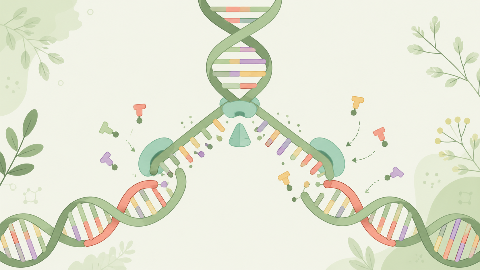
Discover how our DNA replicates with each cell division in this molecular biochemistry course: "DNA Replication." You'll learn the key steps in this crucial process...
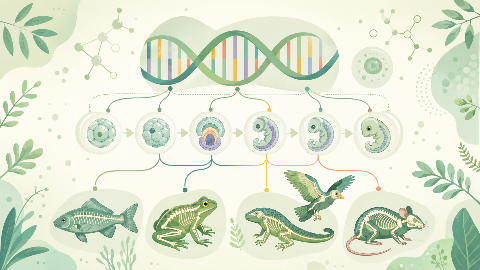
Learn about evolutionary developmental biology, the field that studies the mechanisms of embryonic development and their evolution at the molecular, cellular, and st...