Cellular Biology
The peroxisomes
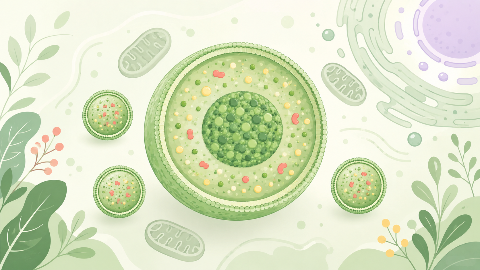
Discover peroxisomes, small cellular organelles that are key to the survival and adaptation of our cells! In this cell biology course, you'll explore their structure...
Cellular Biology
Discover the heart of every cell: the nucleus! In this cell biology course, we will examine the various structures and functions of the nucleus, such as the double nuclear membrane, DNA and its coding regions, chromatins and their modifications, and RNA synthesis and repair. Learn to understand the processes essential to the functioning of all eukaryotic cells!

The nucleus is a membrane-bound organelle located within eukaryotic cells. It serves as the main control center of the cell, housing the genetic material and regulating various aspects of cell function. This comprehensive guide aims to provide an in-depth exploration of the nucleus, its structure, functions, and significance in cellular biology.
The nuclear envelope is a double membrane that surrounds the nucleus. It comprises two lipid bilayers separated by a narrow space called the perinuclear space, where a network of proteins known as the nuclear pore complexes (NPCs) are embedded. These NPCs facilitate the transport of molecules between the nucleus and cytoplasm.
The inner compartment within the nuclear envelope is referred to as nucleoplasm. It contains various components, including chromatin, the nucleolus, and various proteins involved in gene expression, DNA replication, and other crucial cellular processes.
Chromatin is a complex of DNA, histone proteins, and non-histone proteins that condense and package the genetic material within the nucleus. The organization of chromatin can range from loosely coiled euchromatin to tightly packed heterochromatin, depending on its transcriptional activity.
The nucleolus is a densely packed structure found within the nucleus that serves as the site of ribosome biogenesis. It consists mainly of RNA and proteins involved in rRNA processing, synthesis, and assembly into ribosomes.
The nucleus plays a central role in gene expression, which includes transcription (the process of copying DNA into mRNA) and translation (the process of synthesizing proteins from mRNA). Various enzymes and regulatory proteins are involved in these processes, ensuring the correct and timely production of proteins.
DNA replication occurs within the nucleus during the S phase of the cell cycle. It involves the unwinding and copying of the DNA double helix to produce identical sister chromatids, ensuring that each daughter cell receives a complete set of chromosomes after cell division.
The nucleus is responsible for the proper segregation of chromosomes during mitosis and meiosis. This ensures the accurate distribution of genetic information to daughter cells, maintaining the integrity of the genome.
The nucleus is a critical organelle in eukaryotic cells, orchestrating gene expression, DNA replication, and chromosome segregation. Understanding the structure and functions of the nucleus provides insight into cellular biology, development, and disease processes. Future research will continue to uncover new aspects of nuclear function and contribute to our overall understanding of eukaryotic cells.
هل تعتقد أنك تعرف كل شيء عن هذه الدورة؟ لا تقع في الفخاخ، تدرب مع الأسئلة المتعددة الأسئلة! eBiologie لديه مئات الأسئلة لمساعدتك في إتقان هذا الموضوع.


Discover peroxisomes, small cellular organelles that are key to the survival and adaptation of our cells! In this cell biology course, you'll explore their structure...
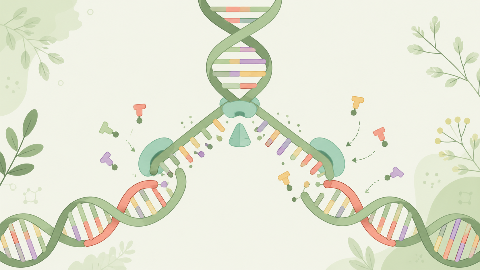
Discover how our DNA replicates with each cell division in this molecular biochemistry course: "DNA Replication." You'll learn the key steps in this crucial process...
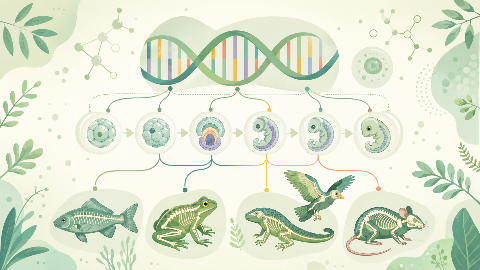
Learn about evolutionary developmental biology, the field that studies the mechanisms of embryonic development and their evolution at the molecular, cellular, and st...