Cellular Biology
The peroxisomes
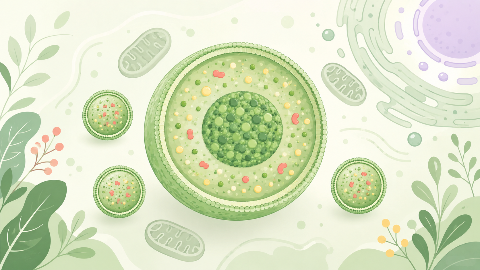
Discover peroxisomes, small cellular organelles that are key to the survival and adaptation of our cells! In this cell biology course, you'll explore their structure...
Histology
Discover the secrets of the smooth muscle system by exploring its structure, function, and regulation in the course "Histology: Smooth Muscle System." You'll learn to identify its contractile cells and understand their crucial role in the digestive, urinary, and vascular systems.

Smooth muscle, also known as visceral muscle or involuntary muscle, is a type of muscle tissue that serves various functions in the body. Unlike skeletal and cardiac muscles, smooth muscles do not function under conscious control, do not produce limb movements, and are found primarily in organs such as the stomach, intestines, blood vessels, urinary bladder, uterus, and iris of the eye. This tutorial provides an in-depth exploration of smooth muscle tissue, its structure, functions, regulation, and significance in various physiological processes.
Smooth muscles are found throughout the body, primarily in organs and structures that require continuous or intermittent contraction for their function. They are arranged in sheets, bands, or layers, with individual cells (myocytes) connected to each other by gap junctions that facilitate synchronized contractions.
The smooth muscle cell, or myocyte, is longer and more slender than skeletal muscle fibers and lacks the striations found in these cells. Myocytes are enclosed by a thin basal lamina and have a central nucleus with longitudinally arranged elongated mitochondria. The cytoplasm contains numerous actin and myosin filaments, which are interconnected by cross-bridges, forming the contractile apparatus of smooth muscle cells.
The contractile apparatus of smooth muscles consists of thin actin filaments and thick myosin filaments, arranged in a parallel fashion throughout the cell. The actin and myosin filaments are held together by cross-bridges formed by the interaction between actin's globular (G) ends and myosin's heads. The contraction of smooth muscle cells is initiated by the binding of calcium ions to troponin, causing a conformational change in the actin filament that enables the cross-bridges to pull on the myosin filaments, thereby shortening the cell.
Smooth muscle contraction is regulated by the concentration of calcium ions within the cell ([Ca2+]i). Changes in [Ca2+]i are mediated by two main mechanisms: membrane potential changes and release from intracellular stores. The membrane potential is modulated by ion channels, while intracellular stores can be released through the action of various hormones or neurotransmitters acting on their specific receptors.
Smooth muscle plays a critical role in several physiological processes, including:
Understanding smooth muscle tissue is essential in various medical fields, as dysfunctions or abnormalities can result in pathologies such as hypertension (high blood pressure), gastrointestinal motility disorders, urinary incontinence, and uterine myomas (benign tumors).
Smooth muscle tissue is an essential component of the body's organs and structures, facilitating various physiological processes through its continuous or intermittent contractions. Understanding the structure, function, regulation, and clinical relevance of smooth muscle cells provides insights into various pathologies and potential therapeutic targets.
هل تعتقد أنك تعرف كل شيء عن هذه الدورة؟ لا تقع في الفخاخ، تدرب مع الأسئلة المتعددة الأسئلة! eBiologie لديه مئات الأسئلة لمساعدتك في إتقان هذا الموضوع.


Discover peroxisomes, small cellular organelles that are key to the survival and adaptation of our cells! In this cell biology course, you'll explore their structure...
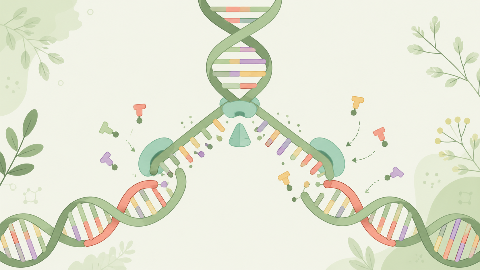
Discover how our DNA replicates with each cell division in this molecular biochemistry course: "DNA Replication." You'll learn the key steps in this crucial process...
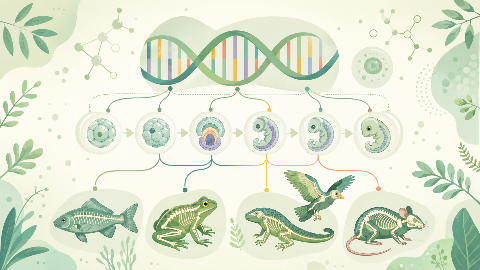
Learn about evolutionary developmental biology, the field that studies the mechanisms of embryonic development and their evolution at the molecular, cellular, and st...